
Uncategorized
Why Cape Verde Became the World Cup Underdog Everyone Should Know: Interesting Facts About Cape Verde Team
Cape Verde's first men's World Cup was more than a small-country novelty. The Blue Sharks reached the knockouts, pushed Argentina into extra time and made the tournament feel bigger.
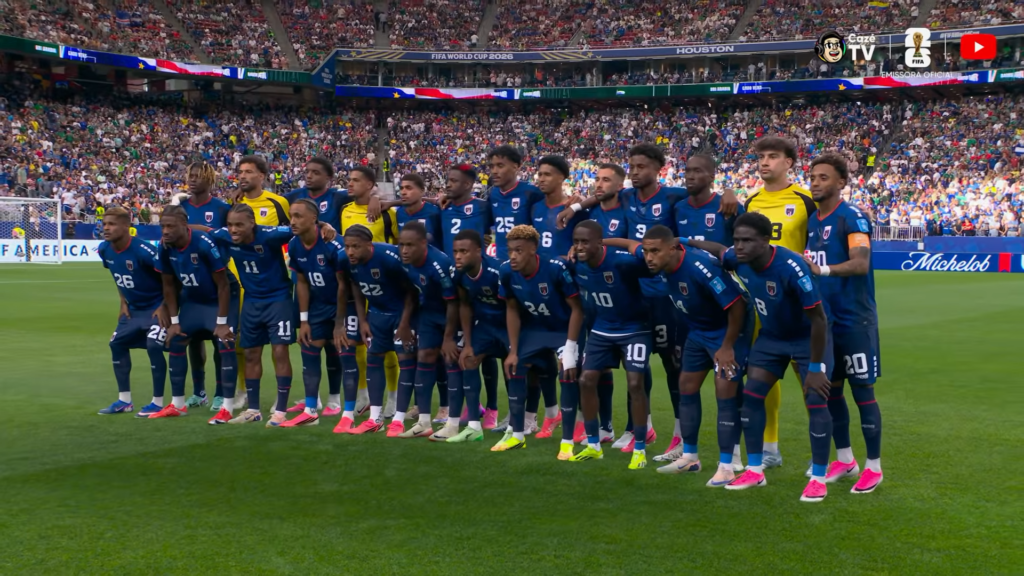
Cape Verde's national team before a 2026 World Cup match. Credit: CazeTV.
Cape Verde left the World Cup the hard way: after extra time, against Argentina, with Lionel Messi still on the field and the dream close enough to hurt.
That is the part that made the story real.
For a first-time World Cup team, simply arriving would have been enough for a warm paragraph and a few respectful headlines. Cape Verde did more than arrive. The Blue Sharks survived the group stage, pushed the defending champions into extra time and turned a debut appearance into one of the tournament’s clearest reminders of what the World Cup is supposed to do.
It made the map feel larger.
The World Cup Is Usually Introduced Through Its Giants

Argentina. Brazil. France. Germany. Spain. England. The countries with famous shirts, heavy expectations and players whose faces appear on billboards before they touch a ball.
But the tournament’s emotional power often comes from somewhere else. It comes from the teams that make people pull out a map, learn a nickname and suddenly care about a result they would not have noticed a month earlier.
Cape Verde became one of those teams.
The country is an Atlantic archipelago off the coast of West Africa, with a population smaller than many world cities and a football economy that cannot be compared with the sport’s major powers. Before 2026, it had never appeared in a men’s World Cup. By the time its tournament ended, it had become a symbol of why expanded access can matter when the team walking through the new door is prepared to compete.
This was not a charity story.
It was not a cute subplot between bigger games.
It was a team that qualified on merit, held its nerve on the largest stage and forced one of world football’s great powers to work deep into extra time to get rid of it.
The best underdog stories are not about pity. They are about proof.
Cape Verde’s World Cup Story Had Three Acts
First came the qualification. On October 13, 2025, Cape Verde beat Eswatini 3-0 in Praia and secured its first men’s World Cup place. The result also meant Cameroon, one of African football’s traditional World Cup names, did not take the direct spot from the group.
Then came the tournament. Cape Verde did not play like a team simply happy to collect accreditation and a few photos. It drew all three of its group-stage matches, including a 0-0 draw with Spain, and reached the Round of 32 in its debut.
Then came the test that turned respect into memory: Argentina.
The defending champions beat Cape Verde 3-2 after extra time in Miami Gardens. That scoreline says Cape Verde lost. The match said something bigger: a first-time World Cup team had made Argentina sweat for its place in the next round.
That is why the story stuck.
Cape Verde did not sneak into the tournament’s emotional center. It earned its way there.
From Praia to the World Cup
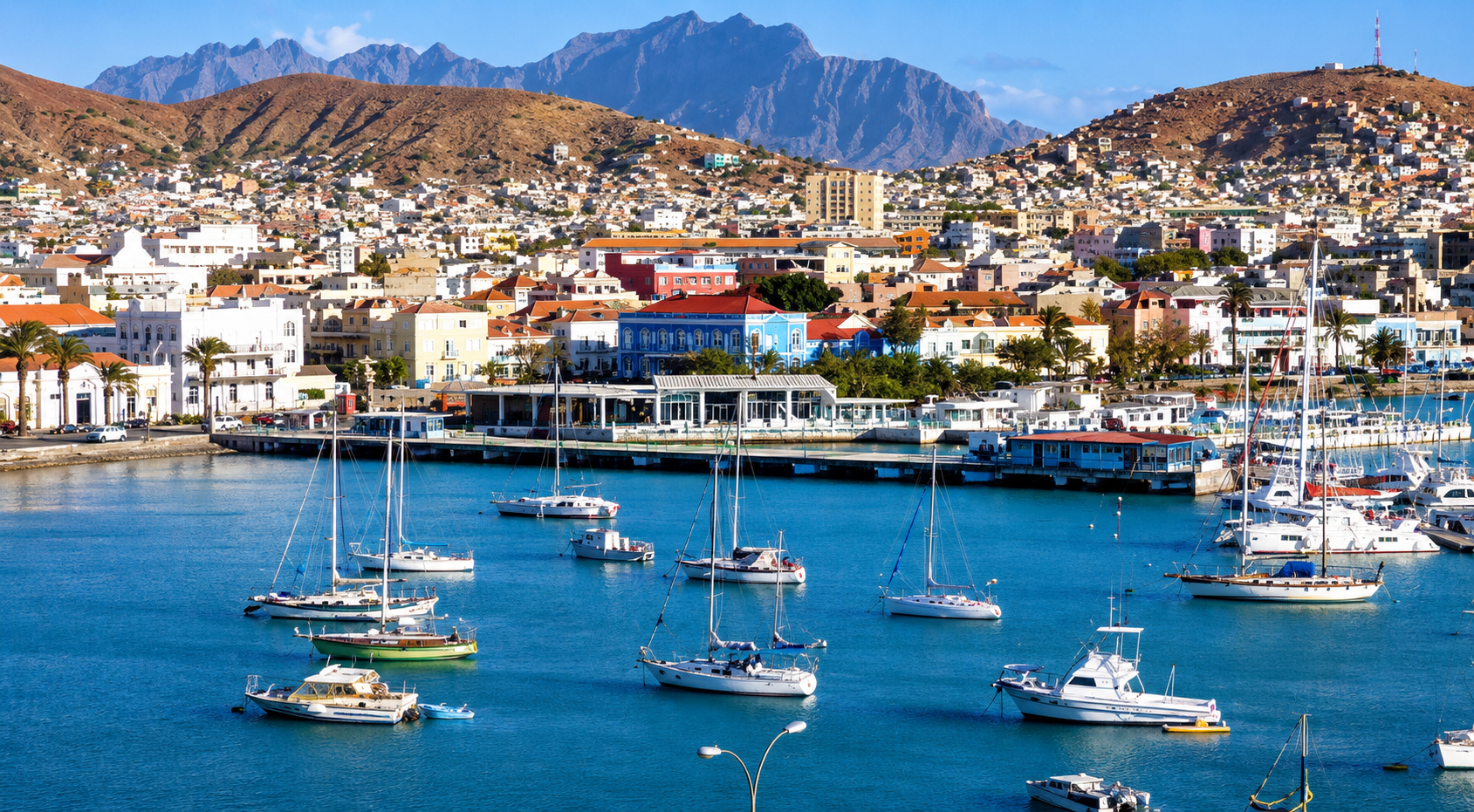
The story did not begin against Argentina. It began in Praia.
Cape Verde needed to finish the job at home against Eswatini, and for a while the match held the kind of pressure that can make a small country’s biggest football night feel painfully fragile. The first half stayed goalless. The celebration had to wait.
Then the goals came.
Dailon Rocha Livramento scored. Willy Semedo scored. Stopira added another in stoppage time. Cape Verde won 3-0, finished top of its African qualifying group and booked a first trip to the men’s World Cup.
For a country that had never been there before, the score was more than a result. It was a door opening.
It also changed the meaning of the qualifying campaign. Cape Verde had not drifted through an easy route. It finished ahead of Cameroon, a country with a long World Cup history and a much heavier football reputation.
That matters because an underdog story becomes stronger when the football holds up. Romance is nice. Results are better.
Cape Verde had both.
A Small Country With a Wide Football Map
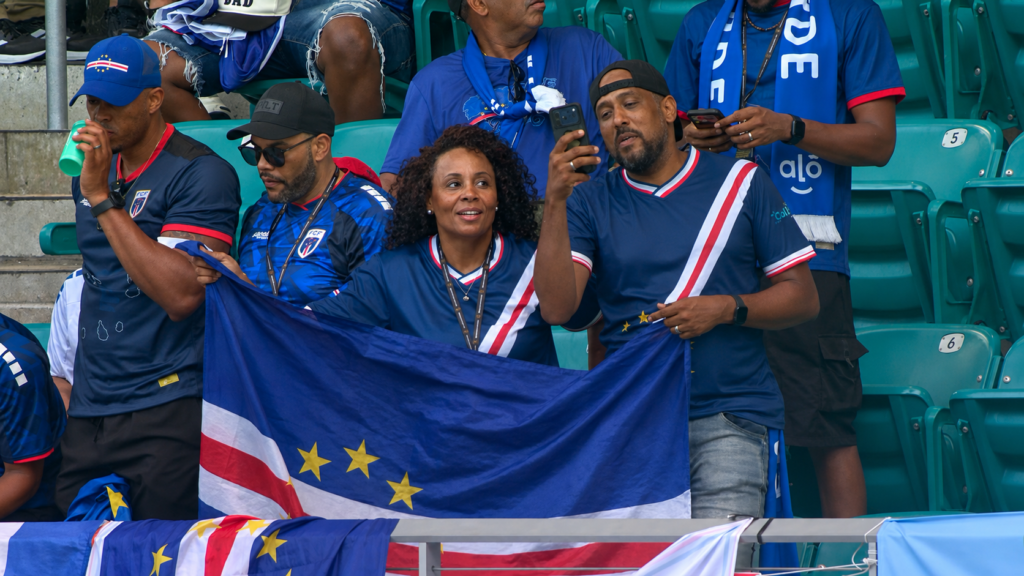
Cape Verde is small if you only look at land and population.
That is the first mistake.
The football map is wider than the islands. It stretches through Portugal, France, the Netherlands, Ireland, the United States and other communities shaped by Cape Verdean migration. The national team is not only a team from a place. It is a team connected to people who carry that place with them.
That is why the diaspora is not a decorative detail in this story. It is part of the mechanism.
Modern international football is shaped by eligibility, identity, scouting and timing. A player may grow up in Rotterdam, Lisbon, Paris, Dublin or Boston and still feel a real connection to Cape Verde through family, language, food, music, memory and the quiet gravity of home.
When enough of those players choose the same national team, something powerful can happen.
The pool gets deeper. The shirt gets heavier. The team becomes a meeting point for people who may live far apart but recognize the same flag.
For Cape Verde, the diaspora was not a backup plan. It was part of the engine.
The Blue Sharks Had Structure Behind the Emotion
World Cup underdog stories can get soft very quickly.
The small team becomes brave. The big team becomes nervous. Everyone smiles for a montage. Then the football disappears behind the sentiment.
Cape Verde deserves better than that.
This was a team with structure. Under coach Pedro “Bubista” Brito, Cape Verde built an identity that made sense for the players it had. The Blue Sharks were not trying to imitate Spain’s midfield or Argentina’s attacking rhythm. They were trying to stay compact, defend with discipline, manage pressure and turn small openings into real danger.
That sounds less romantic than “fairytale.”
It is also why the story worked.
At a World Cup, belief without organization usually lasts about 20 minutes. Then the favorite finds the gaps. Cape Verde lasted because the emotion had a frame around it. The players did not just run harder. They understood what kind of game gave them a chance.
And once a smaller team stays in the game long enough, the atmosphere changes.
The favorite starts to feel the clock. The underdog starts to feel the crowd. Every clearance sounds louder. Every save becomes a little piece of evidence.
That is where Cape Verde lived.
Vozinha Gave the Story a Face
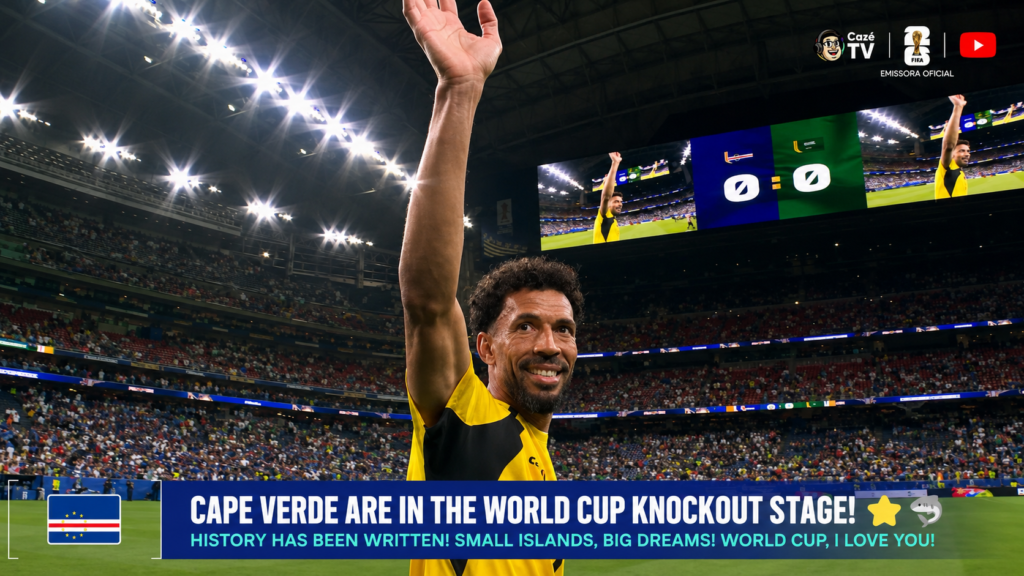
Every good World Cup story eventually finds a face.
For Cape Verde, one of them was Vozinha.
The veteran goalkeeper was 40 years old during the tournament, old enough to make every save feel like it carried a little more history. Against Argentina, he became one of the figures people remembered: the goalkeeper standing between a first-time World Cup team and the champions trying to move on.
AP reported that Cape Verde’s tournament ended with a 3-2 extra-time loss to Argentina after a run that included three group-stage draws and a place in the knockout round. It also noted the emotional weight around Vozinha, including his wish to have his mother watch him play on the world stage.
That kind of detail matters because it turns a team into people.
World Cups are full of tactical diagrams, expected goals, bracket math and television graphics. Then a 40-year-old goalkeeper makes a save, looks up, and the whole thing becomes simpler. Someone has waited a lifetime for this. Someone at home is watching. Someone in the stands knows exactly what it took to get there.
That is the human layer Cape Verde gave the tournament.
The Argentina Match Changed the Scale
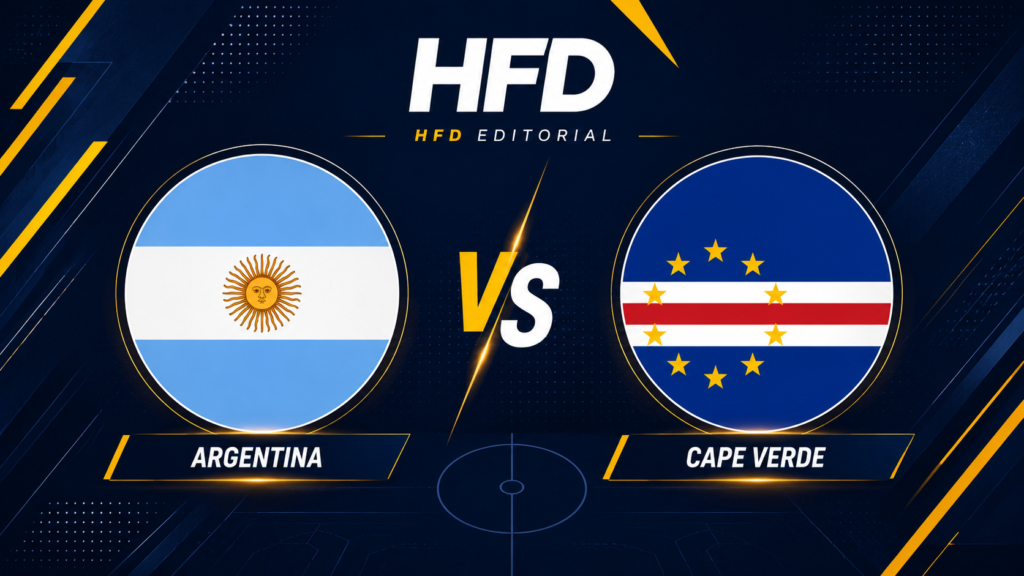
Losing 3-2 to Argentina after extra time is still losing.
But not every loss has the same meaning.
For Cape Verde, the Round of 32 was the moment the story stopped being theoretical. It was no longer about whether the 48-team World Cup gave smaller nations a chance to appear. It was about what a smaller nation could do once it appeared.
Argentina had the stars, the pedigree, the pressure and the burden of being defending champion. Cape Verde had the debut, the discipline and the freedom of a team that had already changed its own history.
That is a dangerous combination.
The match did not end with one of the great upsets in World Cup history. Argentina survived. Cape Verde went home. The bracket moved on.
But the emotional result was not so clean.
Cape Verde had forced the defending champions to play the extra half-hour. It had made neutral fans lean forward. It had made people who knew almost nothing about the Blue Sharks at kickoff understand exactly why they mattered by the end.
That is the underdog’s real victory: not pretending the odds are equal, but making the favorite prove they are not.
Cape Verde Made the 48-Team World Cup Feel Richer
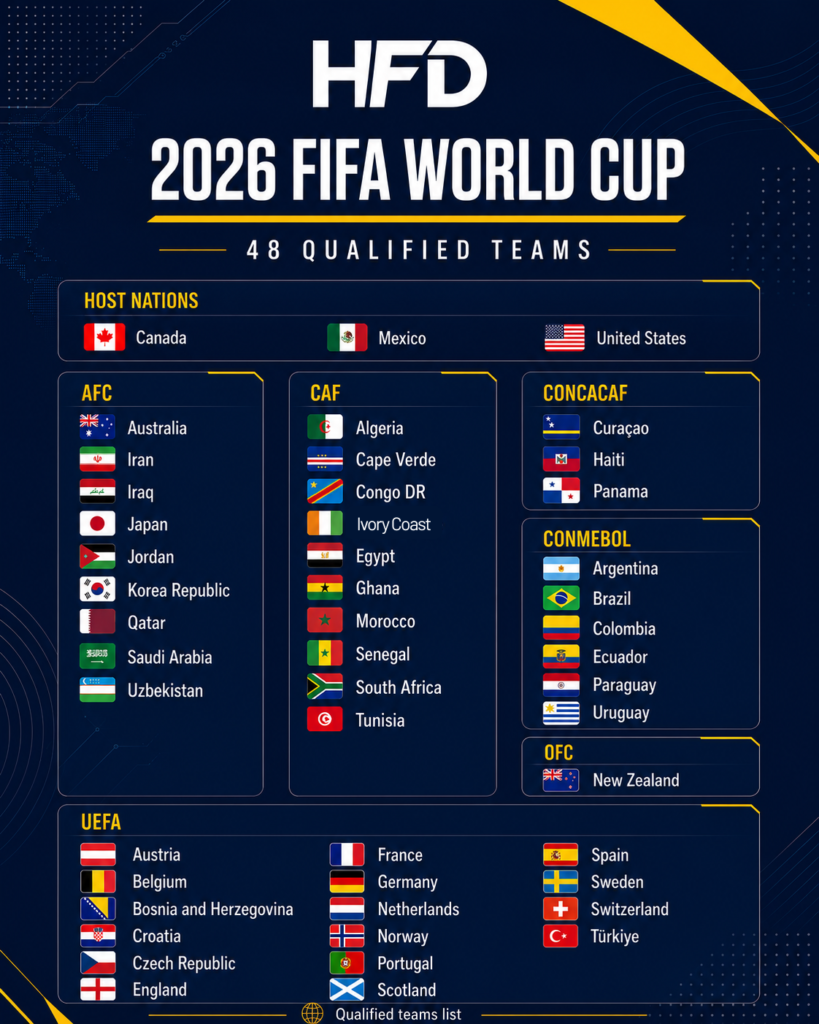
The expanded World Cup has always carried a question.
Does adding more teams make the tournament richer, or just bigger?
Cape Verde became one of the better arguments for the richer side.
Expansion can create mismatches. It can add travel, complexity and games that feel unnecessary. Those concerns are real. But expansion can also give serious football nations outside the usual power structure a stage they previously could not reach.
Cape Verde did not make the tournament feel diluted. It made it feel more complete.
That distinction matters.
The World Cup should not only be a private club for teams that already have long histories in the competition. It should also be a place where a country can arrive for the first time and make everyone else adjust their expectations.
Cape Verde did that.
The Blue Sharks did not prove that every expansion is automatically good. They proved that when a new team is organized, competitive and emotionally connected to its moment, a larger tournament can produce stories the old version might have missed.
The Football Story Was Also an Identity Story
Cape Verde’s run was not only a sports story. It was also a story about identity.
The country officially uses the name Cabo Verde. In English-language football coverage, though, “Cape Verde” remains common, especially in search, headlines and older references. That is why both names often appear around the team: Cabo Verde is the country’s official name, while Cape Verde is still the term many readers use to find the story.
That tension between names is small on the surface, but it points toward something larger: who gets to define a place, and how the world learns to see it.
Football cannot solve that.
But football can make the question visible.
During the World Cup, Cape Verde was not just a small team from somewhere far away. It was a country with a name, a flag, a diaspora, a history and a team that gave people a reason to talk about all of it.
For fans in Praia, Mindelo, Lisbon, Boston, Rotterdam, Paris and beyond, the Blue Sharks were not an abstract underdog. They were a travelling piece of home.
That is one reason international football still cuts through.
Club football may be richer. It may be technically stronger week to week. But a national team can gather people who live in different countries, speak in different accents and still feel pulled toward the same shirt.
Cape Verde’s World Cup run did exactly that.
Cape Verde Was Not Just Happy to Be There
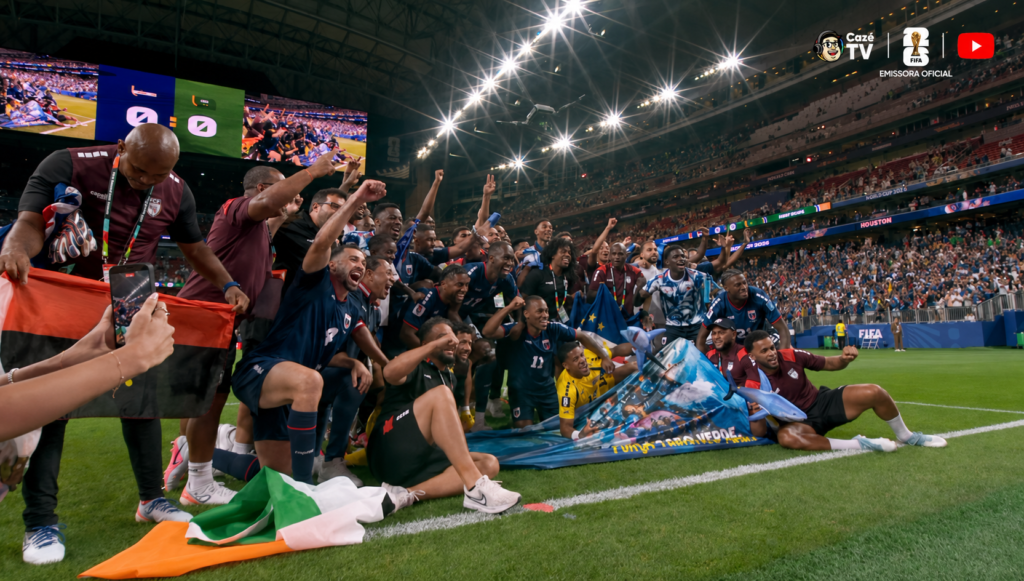
If you only remember one thing, remember this: Cape Verde was not just happy to be there.
That phrase gets used often with debutants, and it usually sounds generous. It can also be a little insulting. Cape Verde did not spend years building toward a World Cup just to pose next to bigger teams.
- The Blue Sharks qualified ahead of Cameroon.
- They drew all three group matches.
- They reached the knockout stage.
- They pushed Argentina into extra time.
That is not tourism. That is competition.
The team also gave casual fans an easy entry point into a deeper football story: how small nations build squads through diaspora networks, how coaching identity matters, how tournament format changes opportunity, and how a country can use one run to become more visible in the global game.
Not every fan will follow Cape Verde through every future qualifying cycle.
But many will remember the name.
That is how football geography expands. One tournament at a time.
What Cape Verde Has to Build From Here
The hardest part of an underdog story often comes after the applause.
The tournament ends. The big teams keep playing. The cameras move on. The smaller country has to turn emotion into something more durable.
For Cape Verde, that means using World Cup visibility wisely. Prize money, global attention and improved scouting can help, but only if they feed the next layer: youth development, federation planning, player recruitment, coaching continuity and stronger expectations inside the program.
A great World Cup does not build infrastructure by itself.
It can, however, change the starting point.
Before this run, Cape Verde was a respected African side with an interesting rise. After it, the Blue Sharks became a reference point for what a small football nation can do when identity, recruitment and discipline line up.
That does not guarantee another World Cup run. Qualifying again will be difficult. Football has no permanent sentiment. The next cycle will not give Cape Verde points for being charming in 2026.
But it will start from a different place.
The world has seen them now.
The Blue Sharks Made the Stage Feel Bigger
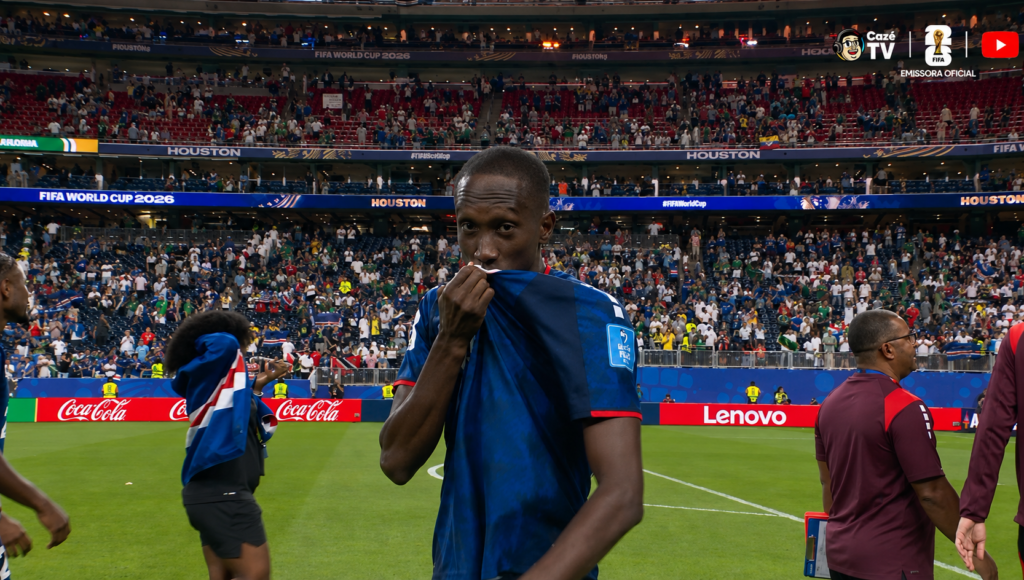
Cape Verde became one of the World Cup’s best underdog stories because it gave the tournament something more valuable than novelty.
It gave it proof.
Proof that a small country can arrive with structure, not just emotion. Proof that a diaspora can become a competitive advantage. Proof that a first-time team can make a defending champion uncomfortable. Proof that the World Cup still has room for stories that do not begin with fame.
Cape Verde did not win the tournament. It did not need to.
The Blue Sharks left after extra time, after Argentina, after a match that hurt because it had been close enough to imagine something impossible.
That is how a team becomes remembered.
Not by being invited onto the world’s biggest stage, but by making the stage feel bigger once it gets there.
FAQ
Did Cape Verde play in a men’s World Cup before 2026?
No. The 2026 tournament was Cape Verde’s first men’s World Cup appearance.
How did Cape Verde qualify for the 2026 World Cup?
Cape Verde qualified by winning its African qualifying group. The decisive result was a 3-0 win over Eswatini in Praia on October 13, 2025, which helped the Blue Sharks finish ahead of Cameroon.
How far did Cape Verde go at the 2026 World Cup?
Cape Verde reached the Round of 32 in its World Cup debut after drawing all three group-stage matches. It was eliminated by Argentina, 3-2 after extra time.
Why is Cape Verde considered an underdog?
Cape Verde is a small island nation with a much smaller population, land area and football economy than traditional World Cup powers. Its first qualification, knockout-stage run and performance against Argentina made it one of the tournament’s strongest underdog stories.
Is it Cape Verde or Cabo Verde?
The country officially uses Cabo Verde. Cape Verde remains common in English-language football coverage, search behavior and older references, so both names appear in discussions of the national team.
What is Cape Verde’s national team nickname?
Cape Verde’s national team is commonly known as the Blue Sharks.
Why does the diaspora matter to Cape Verde soccer?
Many players with Cape Verdean roots grow up or develop in countries with larger football systems. Recruiting and connecting that diaspora gives the national team a wider talent base while strengthening its cultural identity.
Sources
- FIFA – FIFA World Cup 26 official tournament hub
- Associated Press – Magical World Cup ride of Vozinha and Cape Verde ends after pushing Messi and Argentina to the brink
- The Guardian – Cape Verde seal historic debut place at World Cup 2026 and deny Cameroon
- The Guardian – After historic World Cup success, why does Cabo Verde still grapple with identity issues?
