
Vehicles
Top 10 Cars That Lose Value the Fastest
Some cars lose more than 60 percent of their value in five years. The 2026 data reveal which models depreciate fastest—and when the loss may create a used-car opportunity.
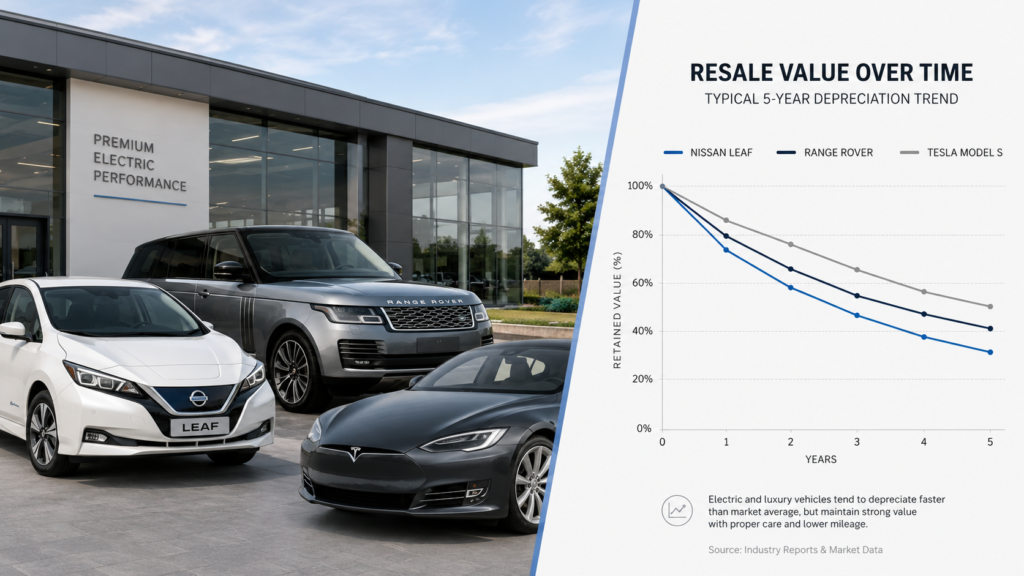
The Nissan Leaf loses the highest percentage, but the Range Rover sheds the most money. Here is what the latest 2026 depreciation data mean for buyers.
Updated July 12, 2026
Five years is not a long time in the life of a car. It is one loan term. One set of tires, perhaps two. Enough time for the new-car smell to fade, the first door ding to appear, and the owner to stop looking back at the vehicle after parking it.
It is also enough time for some cars to lose more than 60 percent of their value.
That is the central finding in the latest large-scale depreciation study from iSeeCars. Published on March 24, 2026, the analysis examined more than 950,000 five-year-old vehicles sold in the United States between March 2025 and February 2026. The average vehicle lost 41.8 percent of its value over five years. Every model in the top 10 below lost at least 58.3 percent.
The numbers tell two overlapping stories. Electric vehicles occupy half the list, caught between fast-moving technology, changing new-car prices, and a growing supply of off-lease used EVs. The other half is dominated by expensive luxury vehicles whose leather, screens, status, and complexity matter far more to the first owner than they do to the third.
There is a catch, though. Depreciation is not a reliability ranking. It does not prove that a car is badly engineered, unpleasant to drive, or destined to fail. It measures the gap between what the new market once asked and what the used market is now willing to pay.
Sometimes that gap is a warning.
Sometimes it is an invitation.
The numbers at a glance
| Rank | Model | Average five-year depreciation | Average value lost |
|---|---|---|---|
| 1 | Nissan Leaf | 63.1% | $17,743 |
| 2 | Infiniti QX80 | 62.8% | $52,631 |
| 3 | Volkswagen ID.4 | 62.1% | $28,010 |
| 4 | Tesla Model S | 62.0% | $58,907 |
| 5 | Land Rover Range Rover | 61.7% | $69,856 |
| 6 | BMW 7 Series | 61.6% | $61,141 |
| 7 | Tesla Model X | 61.2% | $61,216 |
| 8 | Ford Mustang Mach-E | 60.8% | $22,976 |
| 9 | BMW 5 Series hybrid | 59.5% | $44,921 |
| 10 | Infiniti QX60 | 58.3% | $30,099 |
Source: iSeeCars 2026 five-year depreciation study.
What these figures actually measure
Before the countdown begins, the methodology matters.
iSeeCars compared modeled used-car asking prices with original MSRPs adjusted to 2026 dollars. Heavy-duty trucks, vans, low-volume vehicles, and models no longer in production for the 2025 model year were excluded. That gives the study a broad and consistent benchmark, but it does not reproduce what every original owner actually paid or what every seller ultimately received.
Incentives, dealer discounts, tax credits, options, mileage, condition, accident history, location, and trim can all change the real result. A heavily discounted new EV may not have cost its first owner the full sticker price. A flawless one-owner luxury SUV may sell for more than the modeled average. A neglected example can fall below it.
Treat these numbers as a map of the market, not a price quote for a particular VIN.
10. Infiniti QX60 — 58.3 percent
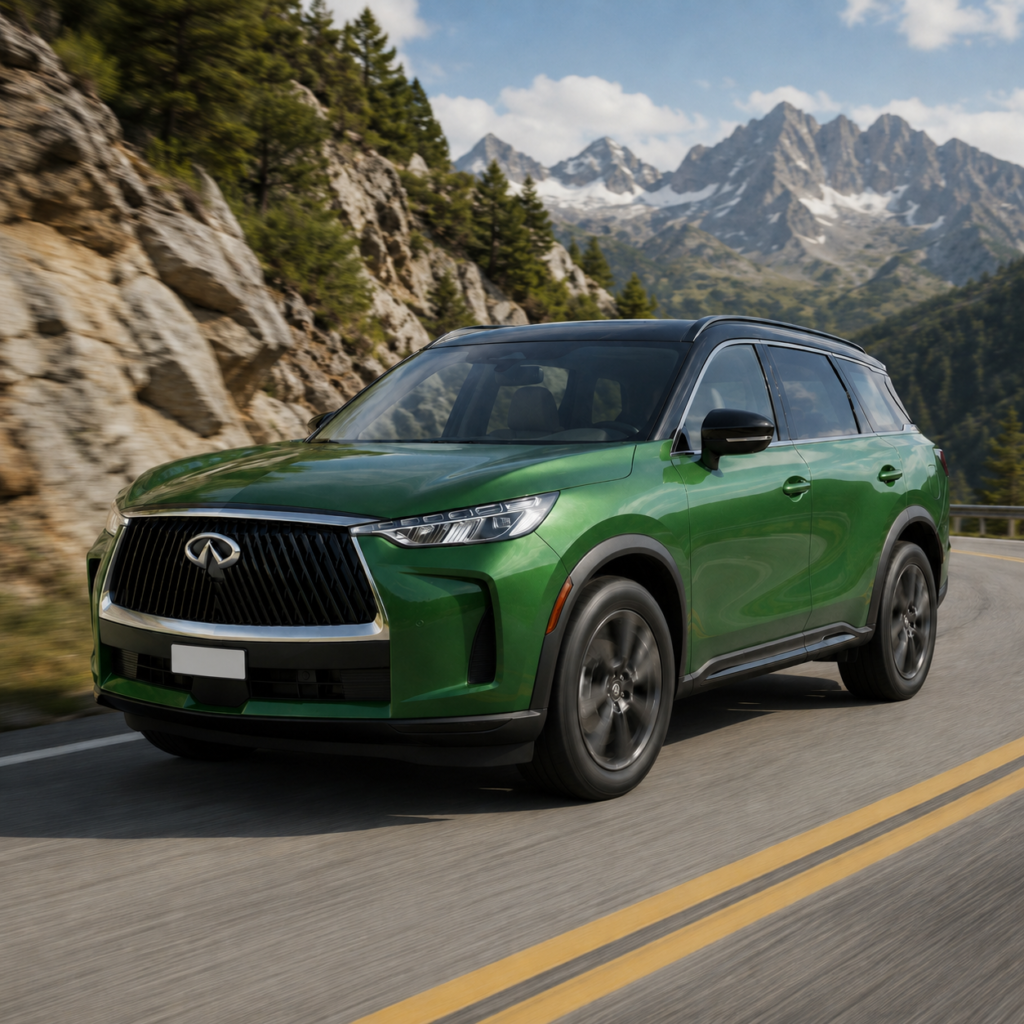
The Infiniti QX60 sits at the edge of the list, but the loss is hardly small: an average of $30,099 over five years.
This is where the luxury-car depreciation pattern becomes visible. A new premium SUV is sold as an experience. The quiet cabin, polished materials, dealership treatment, technology, and badge all contribute to the original price. Five years later, a used buyer asks a colder set of questions: How many miles are on it? What will it cost to repair? Is it meaningfully better than a mainstream three-row SUV at the same used price?
The QX60 must compete not only with other used luxury crossovers, but also with newer generations and well-equipped mainstream alternatives. The first buyer paid for prestige at full strength. The used buyer sees a family SUV with an aging interface and premium-car expenses.
That does not make a used QX60 a bad purchase. It makes service history, inspection results, warranty coverage, and trim-specific equipment more important than the size of the discount.
9. BMW 5 Series hybrid — 59.5 percent
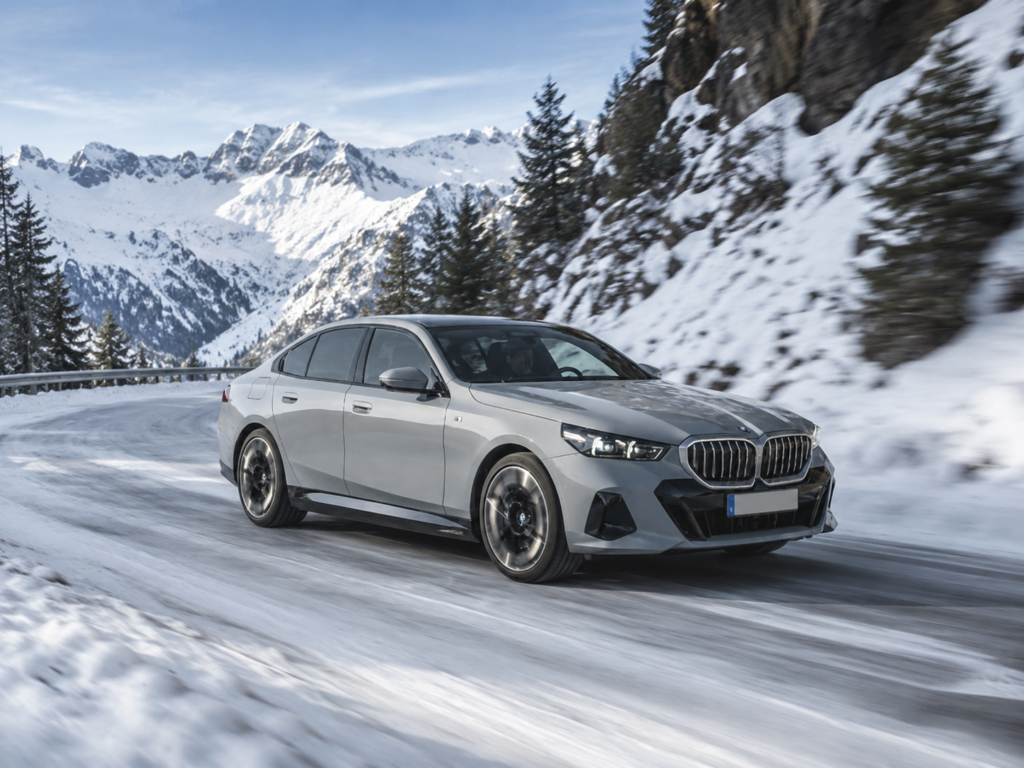
The BMW 5 Series hybrid loses an average of $44,921—nearly $45,000 disappearing between the original sticker and the five-year used market.
A plug-in luxury sedan combines several things that depreciate quickly: a high initial price, complex technology, a battery system, premium labor rates, and a body style that American buyers increasingly pass over for SUVs. None of those factors alone determines resale value. Together, they narrow the pool of buyers willing to take the car on after its first years.
This is also a useful reminder that electrification does not erase the traditional rules of luxury depreciation. The hybrid badge may reduce fuel use, but it does not make costly options, sophisticated suspension components, or premium electronics cheaper to replace.
For the right used buyer, the result can be extraordinary: a sophisticated performance sedan for the price of a far more ordinary new car. The bargain survives only if charging behavior, battery condition, maintenance records, insurance, and the cost of an out-of-warranty repair all fit the household budget.
8. Ford Mustang Mach-E — 60.8 percent
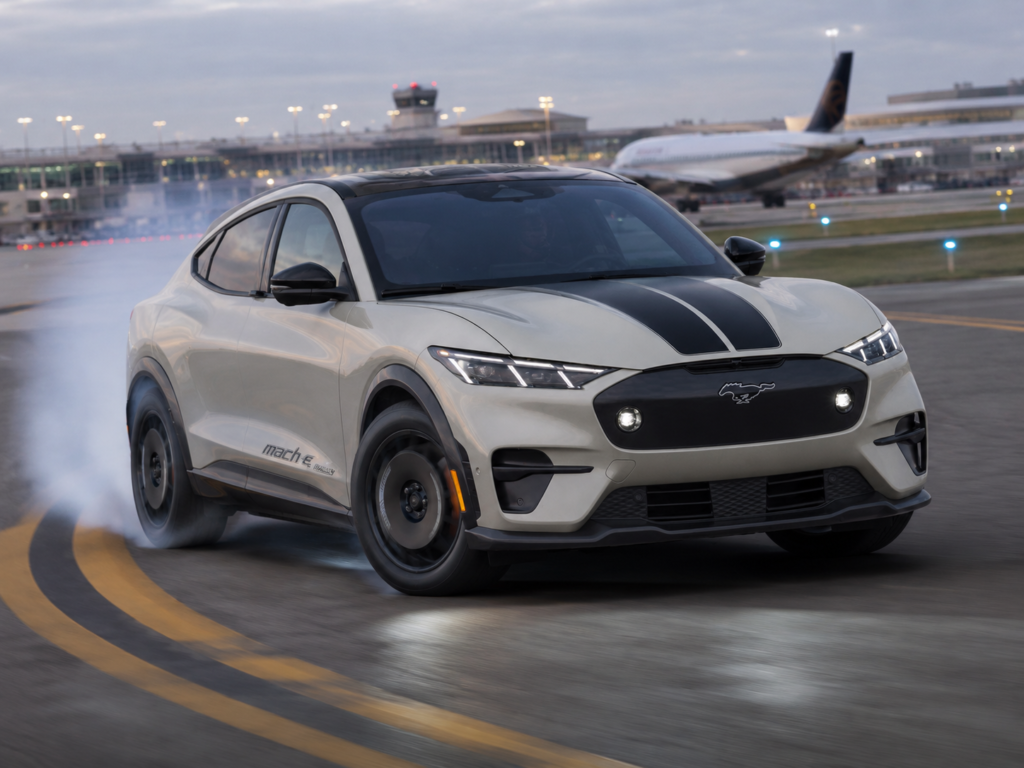
The Ford Mustang Mach-E loses 60.8 percent, or an average of $22,976, in five years.
When it arrived, the Mach-E carried two difficult assignments. It had to introduce many Ford buyers to a dedicated electric vehicle, and it had to carry the Mustang name without being a Mustang coupe. Its performance, large central screen, and crossover shape made it feel like a glimpse of Ford’s future.
The problem with glimpses of the future is that the future keeps moving.
New EVs gained range, charging performance, incentives, and competition. Automakers adjusted prices and lease offers. Meanwhile, vehicles leased during the EV expansion began returning to the used market. Cox Automotive projected a sharp increase in off-lease EV supply during 2026, and its first-quarter outlook put average used-EV pricing within roughly $1,300 of comparable gasoline vehicles. More supply and lower competing prices make it difficult for an early EV to defend its original sticker. Cox Automotive’s Q1 2026 outlook provides the broader market context.
For a used buyer, that pressure is the attraction. Check usable range, battery warranty, fast-charging history where available, software status, insurance, and home-charging access. A 60-percent depreciation figure may look like a verdict on the car. It is more accurately a verdict on how quickly the EV market around it changed.
7. Tesla Model X — 61.2 percent
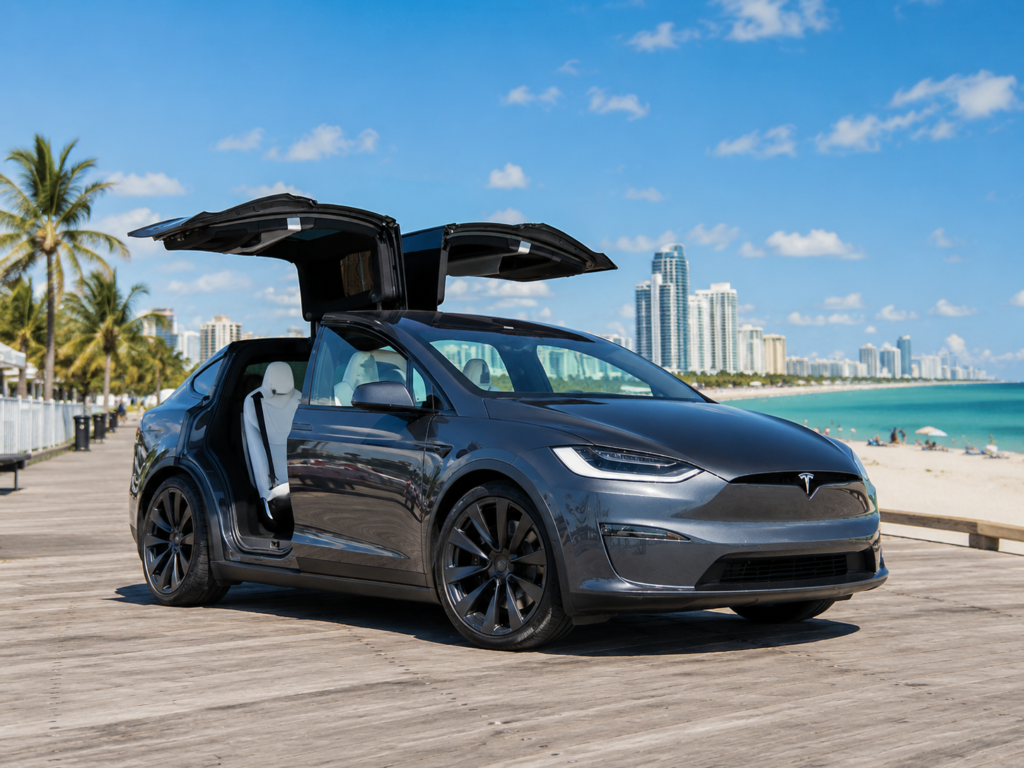
The Model X loses an average of $61,216. That is not merely a percentage on a spreadsheet. It is the price of an entire well-equipped new vehicle erased from the value of another.
The Model X was designed to be unmistakable. The panoramic windshield stretches overhead. The rear Falcon Wing doors rise instead of swing. Acceleration can feel absurd for something shaped to carry a family.
Those same qualities place it in a narrow corner of the used market. It is a high-priced luxury EV with specialized hardware, expensive components, and technology that exists in a category where new products improve quickly. A used buyer may admire the doors and still wonder what happens when one needs diagnosis outside warranty.
The number does not prove that the doors will fail, the battery will degrade abnormally, or ownership will be disastrous. It shows that used buyers demand a very large discount before accepting the uncertainty and expense attached to an aging flagship EV.
For a closer look at the forces reshaping the secondhand electric-car market, see why used EVs are getting cheaper.
6. BMW 7 Series — 61.6 percent
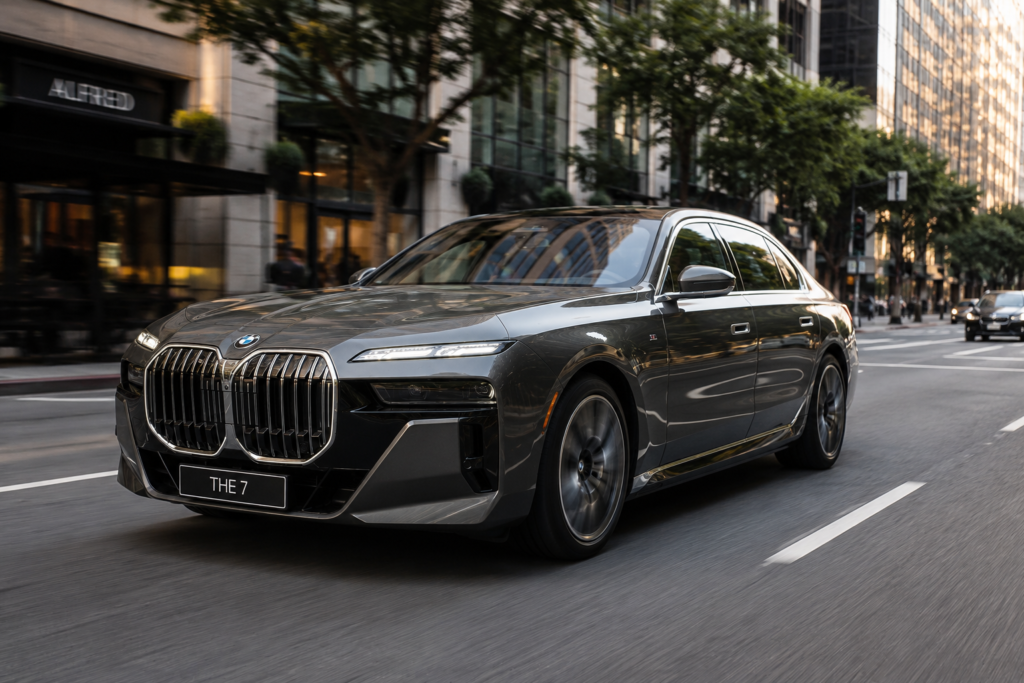
The BMW 7 Series loses 61.6 percent of its value, averaging $61,141 in depreciation.
Large luxury sedans have long performed a peculiar financial trick. They make their first owners feel insulated from the road, then expose them fully to the used market.
A flagship sedan is priced around novelty and abundance: the newest cabin technology, complex comfort systems, powerful engines, elaborate seating, and features that may take years to reach cheaper cars. But novelty has a half-life. Once newer technology arrives, the old flagship remains complex without remaining new.
The used buyer sees that gap immediately. A five-year-old 7 Series may offer craftsmanship and highway comfort that a new mainstream sedan cannot match. It may also carry maintenance, tire, brake, suspension, and electronics costs inherited from a six-figure class of vehicle—not from its depreciated purchase price.
Depreciation lowers the entrance fee. It does not move the car into a cheaper social class at the service counter.
5. Land Rover Range Rover — 61.7 percent
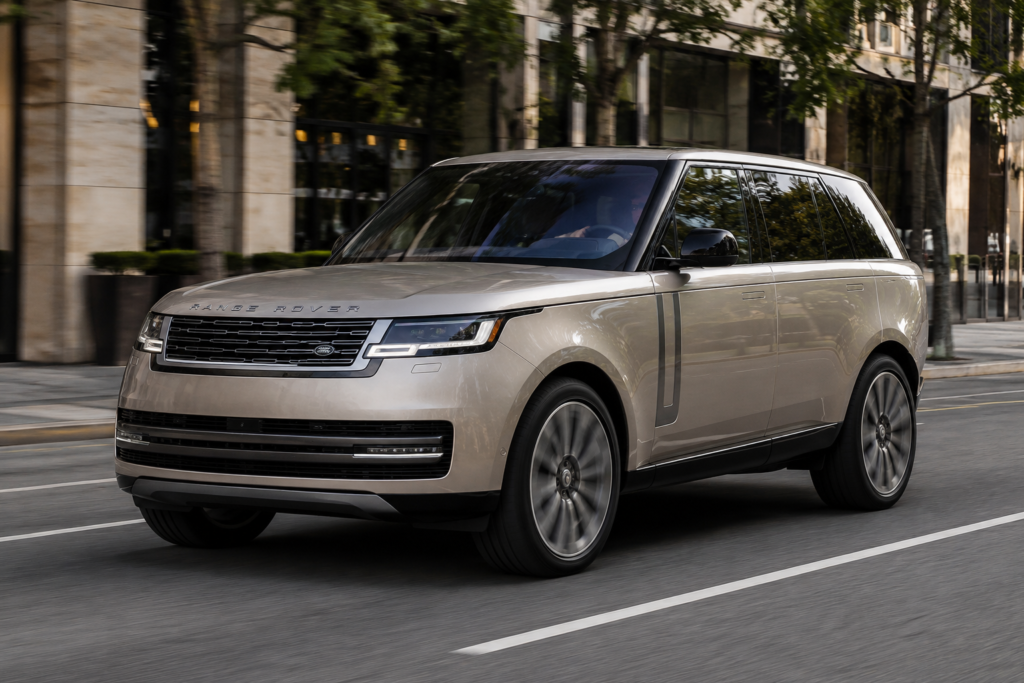
The Range Rover loses a slightly larger share than the BMW, but it produces the biggest dollar loss in the top 10: $69,856.
Nearly seventy thousand dollars.
That figure captures the distance between what a flagship luxury SUV represents when new and what the market fears when it ages. A new Range Rover sells presence, capability, comfort, and status in one imposing shape. A five-year-old Range Rover still has the shape. What it no longer has is the protection of being new.
Used buyers price in complexity, ownership reputation, expensive repairs, and the arrival of newer generations. Even people who love the design may hesitate when a deeply depreciated purchase price is paired with repair bills based on the vehicle’s original position in the market.
This can create one of the most seductive listings in the used-car world: a vehicle that once cost more than many households earn in a year, now sitting beside an ordinary new crossover. The correct comparison is not purchase price against purchase price. It is total ownership risk against total ownership risk.
4. Tesla Model S — 62.0 percent
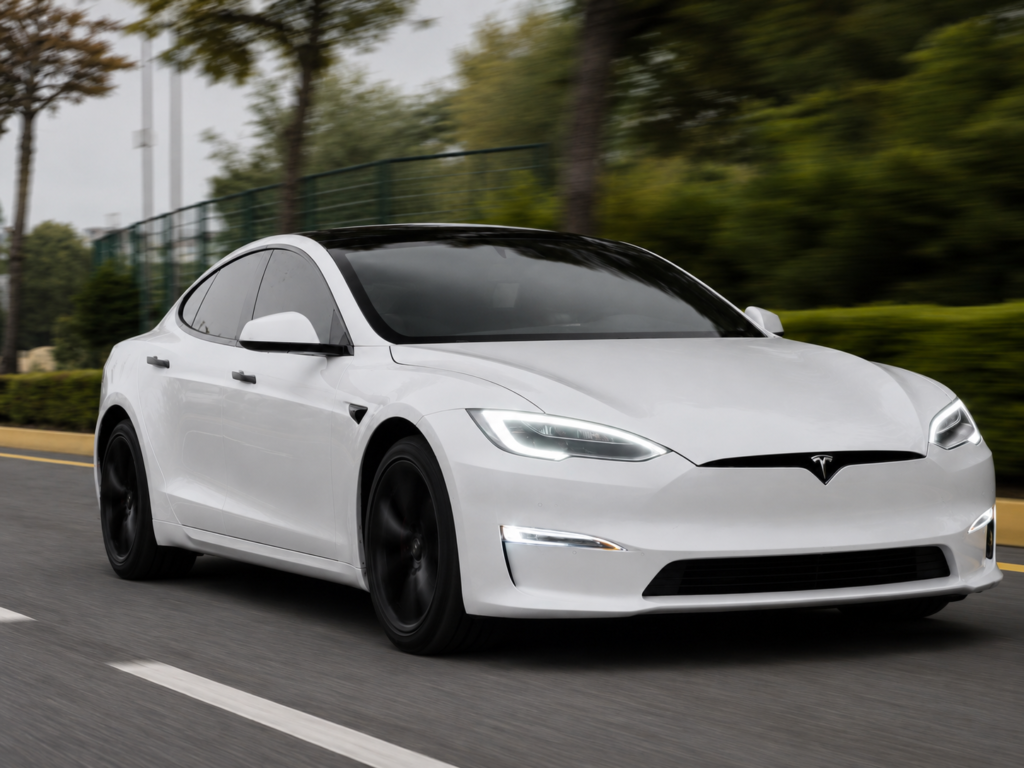
The Tesla Model S loses an average of $58,907 in five years.
Few vehicles have experienced technological aging as visibly. The Model S helped redefine what an electric car could be: fast, long-legged, software-centered, and desirable on its own terms. But the same market it helped create became increasingly hostile to old price anchors.
New EV prices changed. Tesla’s own lineup evolved. Charging speed, range expectations, driver-assistance hardware, cabin technology, and competitive alternatives moved forward. A used Model S can still be startlingly quick and capable, but it must now justify itself against newer EVs with fresh warranties and against cheaper used Teslas produced at much greater scale.
The 62-percent loss is therefore not a rejection of the Model S’s historical importance. It is evidence that technological leadership can depreciate faster than the underlying machine.
For a buyer, the crucial questions are specific: battery and drive-unit warranty status, charging compatibility, hardware generation, accident repairs, suspension condition, tires, insurance, and access to service. “Model S” describes more than a decade of changing hardware. The badge alone is not enough.
3. Volkswagen ID.4 — 62.1 percent
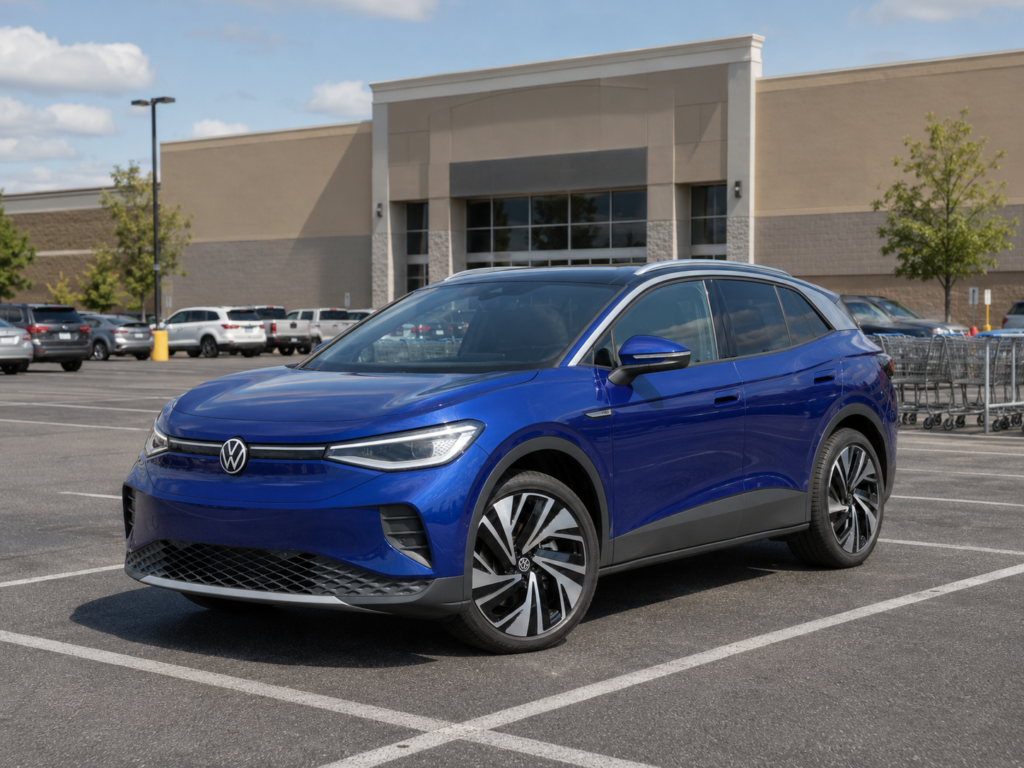
The Volkswagen ID.4 loses 62.1 percent, or $28,010 on average.
At its U.S. launch, the 2021 ID.4 Pro started at $39,995 before destination and before a potential federal credit. Volkswagen advertised an EPA-estimated 260 miles of range for the rear-wheel-drive Pro and positioned the vehicle as an electric compact SUV for mainstream families. Volkswagen’s original U.S. press kit preserves that moment: a new platform, a new kind of Volkswagen, and a promise that electric driving was moving into the largest part of the market.
Five years later, the used market is evaluating that promise against a much larger field. Range that looked competitive at launch is now one number among many. New-EV discounts and lease programs reset price expectations. Later vehicles bring revised software, charging, batteries, and equipment. Used supply continues to grow.
The ID.4’s depreciation should not be read as a 62-percent decline in its ability to carry people and groceries. The seats did not become 62 percent smaller. It is a decline in what buyers will pay for an early version of fast-evolving technology.
That distinction is precisely why it may interest a used shopper. Confirm battery health, recall completion, software updates, charging performance, warranty coverage, and whether its real-world range works in the local climate.
2. Infiniti QX80 — 62.8 percent
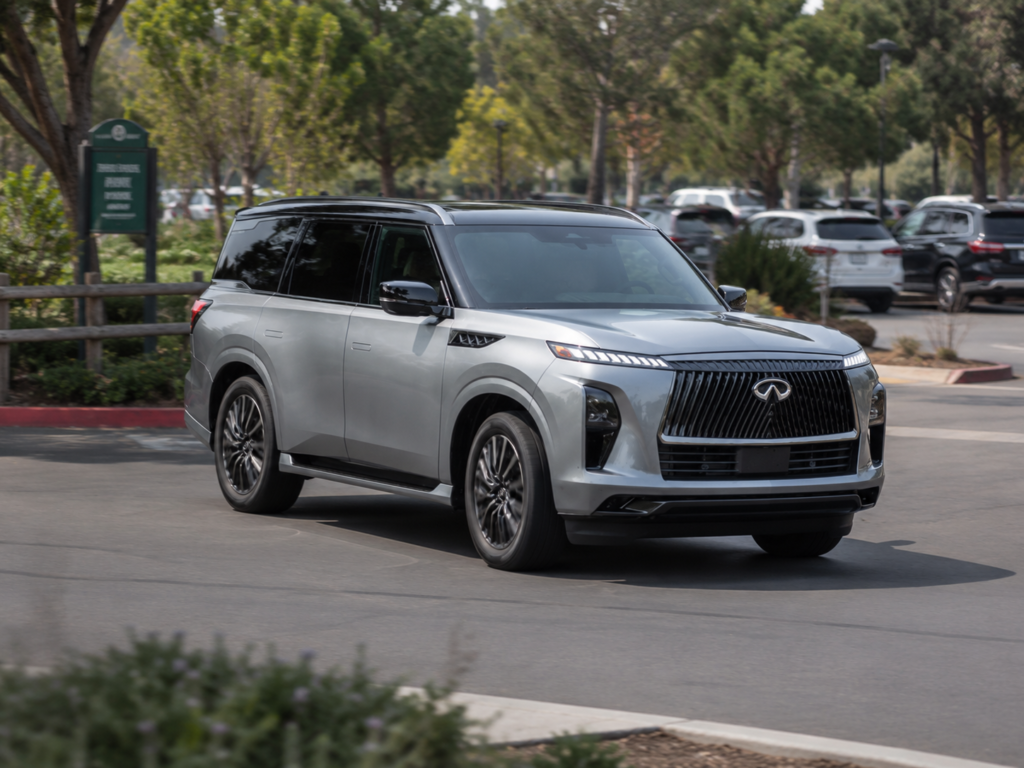
The Infiniti QX80 loses 62.8 percent and an average of $52,631.
Its story is different from the EVs. The QX80’s problem is not that its propulsion technology changed too quickly. It is that the vehicle underneath the nameplate changed slowly—and then changed all at once.
The previous QX80 generation traced its basic architecture through a very long production life. When Infiniti introduced the all-new 2025 QX80, it brought a new twin-turbocharged V-6, a nine-speed automatic, new cabin technology, and a major design shift. Infiniti itself described the 2025 model as all-new and a significant advancement in performance, technology, and comfort. Infiniti’s 2025 QX80 overview documents the generational break.
That kind of redesign casts a long shadow backward. The outgoing model does not stop being spacious or capable, but it suddenly looks and feels older. Its V-8, interior electronics, fuel appetite, and styling must compete with a replacement designed for a different decade.
For used buyers, the depreciation can buy an enormous amount of vehicle. It can also buy enormous fuel, tire, brake, and maintenance bills. Size is one of the QX80’s attractions. It applies to the running costs too.
1. Nissan Leaf — 63.1 percent
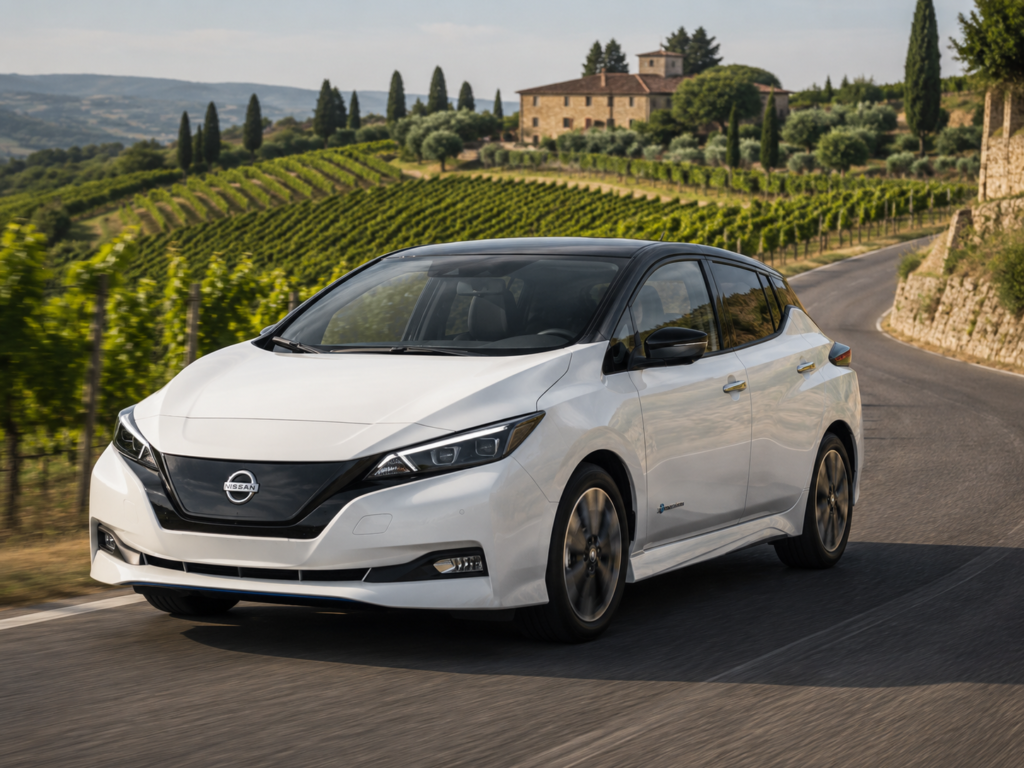
The Nissan Leaf loses the largest share of its value: 63.1 percent.
Yet it loses the least money of any vehicle in this top 10—$17,743—because its original price was much lower. This is where percentage and reality separate.
The Leaf was one of the first modern electric cars ordinary buyers could actually purchase in meaningful numbers. It made battery driving familiar before most automakers had a serious EV in showrooms. It also carried the limitations of its era: the 2021 version offered 149 miles of EPA-estimated range in standard form and up to 226 miles in the S Plus, while its quick-charging ecosystem used CHAdeMO. Nissan’s own 2021 Leaf brochure documents those specifications.
Five years is a particularly long time in EV development. A gasoline engine does not become obsolete because a newer engine adds 40 miles of range. An older EV can feel the arrival of every battery improvement directly in its resale value.
But the Leaf’s place at number one does not automatically make it the worst purchase here. A lower-range used EV can be a practical commuter when its battery is healthy, charging happens at home, winter range is understood, and the daily route is predictable. It can also be the wrong car for an apartment resident, a road-trip-heavy household, or anyone who buys from the headline discount without checking the battery.
The Leaf loses the most value because the market changed around it. Whether that lost value becomes someone else’s opportunity depends on the life waiting for the car next.
Why EVs and luxury vehicles dominate
Twenty-four of the 25 fastest-depreciating vehicles in the iSeeCars study were either electric or luxury models. Five of the top 10 were EVs.
The overall EV segment lost 57.2 percent over five years, compared with 41.8 percent for the total market. At the same time, trucks lost 34.2 percent and hybrids 35.4 percent. Utility and broad demand age well. New technology and prestige are harder to preserve.
Several forces are pressing on used EV values at once:
- New-EV pricing and incentives changed the reference point for used vehicles.
- Battery range and charging performance improved quickly.
- Buyers remain uncertain about battery condition, repair access, insurance, and resale.
- A wave of vehicles leased during the EV expansion is returning to the used market.
- The U.S. used clean-vehicle credit is no longer available for vehicles acquired after September 30, 2025, according to the IRS.
Luxury depreciation follows a different mechanism. The first buyer pays for the newest technology and the privilege of choosing the car’s specification. The used buyer receives neither novelty nor control over the original configuration. What remains is the vehicle—and the cost structure of the class it came from.
The bargain test
A heavily depreciated car deserves more investigation, not an automatic rejection.
Before treating any of these vehicles as a bargain, check:
- The VIN-specific market value, not merely a model average.
- Accident, title, ownership, and service history.
- Open recalls using the NHTSA VIN lookup.
- Remaining factory, battery, powertrain, or certified-pre-owned warranty.
- Insurance quotes before purchase.
- Expected tires, brakes, suspension, and scheduled maintenance.
- For EVs, battery health, usable range, charging hardware, charging standard, and home-charging access.
- For luxury vehicles, the cost of one plausible major repair—not just routine service.
The cheapest way to own an expensive car is not necessarily to buy it after someone else absorbs the depreciation. Sometimes the first owner paid the purchase price. The second owner pays for everything the purchase price once protected.
The bottom line
Depreciation usually appears as a quiet number on a trade-in offer. There is no warning light for it. No sound. No puddle beneath the car.
The owner simply discovers that tens of thousands of dollars are no longer there.
For new-car shoppers, this list is a reminder to consider resale value before choosing a model—not five years afterward. For used-car shoppers, it is a catalog of possibilities priced by other people’s caution. The Nissan Leaf, Volkswagen ID.4, Tesla Model S, Range Rover, and BMW 7 Series have little in common as machines. What connects them is the distance between their original promise and today’s market price.
That distance can hide a trap.
It can also be where the deal begins.
Related reading: Used EV prices are one of the clearest examples of how fast depreciation can reshape the car market. See our full breakdown of why used electric cars are suddenly so cheap.
Sources and methodology notes
- iSeeCars — The Top 25 Cars That Hold Their Value Best and the 25 Worst, March 24, 2026
- Cox Automotive — Q1 2026 Industry Insights and Sales Forecast
- Volkswagen — 2021 ID.4 U.S. Press Kit
- Infiniti — What’s New in the 2025 QX80
- Nissan — 2021 Leaf brochure
- IRS — Current clean-vehicle credit information
- NHTSA — Recall lookup
The rankings and depreciation figures are from the iSeeCars study. Explanations of possible market forces are contextual analysis and should not be interpreted as proof that any single factor caused a specific model’s depreciation.
