
Uncategorized
Why You Still Wake Up Tired After 8 Hours of Sleep
Eight hours in bed is not always eight hours of restorative sleep. Sleep quality, timing, stress, caffeine and sleep disorders can all leave you tired.

A person rests on a park bench during the day.
Wake up tired after a full night can feel confusing, even unfair. But sleep is not only a number on the clock.
The alarm goes off. You check the time. You do the math.
Quality, timing, interruptions, stress, sleep debt and health conditions can all decide whether those eight hours actually restore you.
Eight hours.
Technically, this should be the part where your body rises from the bed like a well-maintained machine, fully charged and ready to participate in society.
Instead, you feel like someone unplugged you at 43%.
That is the specific frustration behind waking up tired after a full night of sleep. You did the responsible thing. You went to bed. You gave yourself the number everyone talks about. You did not heroically ruin your life on three hours and a late-night scroll.
And still, morning arrives with heavy eyes, a slow brain and the unpleasant suspicion that sleep filed the paperwork but forgot to do the job.
The problem is that eight hours tells you how long you were in bed.
It does not tell you whether your sleep was continuous, well-timed or restorative.
The Clock Does Not Know What Happened Overnight
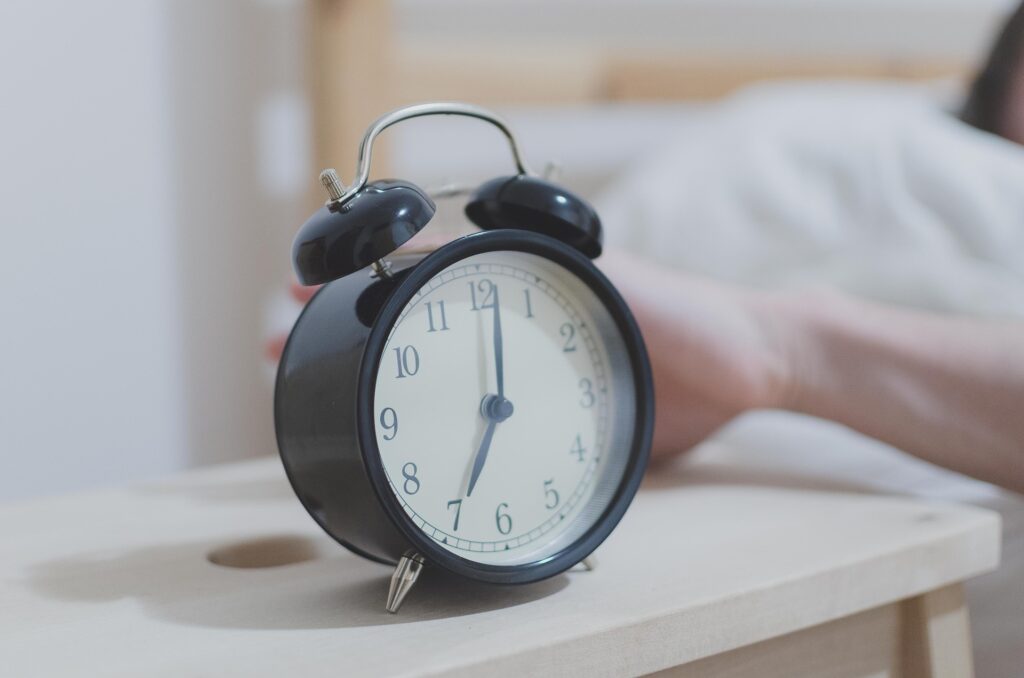
Eight hours in bed is a useful detail. It is not a full sleep report.
Think of it like spending eight hours at a restaurant. The number tells us how long you were there. It does not tell us whether anyone actually brought food.
Sleep works in a similar way. The clock can say you had enough opportunity to sleep, while your body says the night did not restore much. You may have woken up repeatedly. Your breathing may have been interrupted. Your sleep may have happened at a time your internal clock did not like. Stress may have kept your nervous system alert. A medication, health condition, pain, alcohol, caffeine or an irregular schedule may have changed the night without leaving an obvious clue on the clock.
The CDC describes healthy sleep as involving both enough sleep and good sleep quality. Quality sleep is not only about hours. It is about whether sleep is uninterrupted and refreshing. The CDC also lists feeling sleepy or tired after getting enough sleep as a sign of poor sleep quality.
That point matters because many people treat tired mornings like a personal failure.
Sometimes they are information.
Your Sleep May Have Been Interrupted Without You Remembering
Not every awakening turns into a memorable event.
You may not sit up dramatically, stare at the ceiling and announce that sleep has betrayed you. More often, the brain briefly surfaces, adjusts, reacts and slips back down. By morning, you may remember almost none of it.
Your nervous system remembers enough.
Noise, light, pain, a room that is too warm, a partner moving, pets, bathroom trips, alcohol, reflux, congestion or stress can repeatedly pull the brain out of deeper sleep. Even if each interruption is brief, the night can become less like a solid bridge and more like a road full of speed bumps.
This is also where sleep apnea deserves special attention.
Sleep apnea can cause breathing to stop and restart during sleep. The NHLBI lists possible signs such as breathing that starts and stops, frequent loud snoring, gasping for air, daytime sleepiness or tiredness, dry mouth, headaches and waking often at night to urinate. The tricky part is that a person may not know these nighttime symptoms are happening unless someone else notices.
This does not mean every tired morning is sleep apnea.
It means repeated unrefreshing sleep, especially with loud snoring, gasping, breathing pauses, morning headaches or serious daytime sleepiness, is worth discussing with a healthcare provider.
If breathing is the issue, more discipline is not the missing ingredient. You cannot motivational-quote your airway open.
Your Body May Have Slept at the Wrong Time
Sleep is not only a duration problem. It is also a timing problem.
The body runs on circadian rhythms, roughly 24-hour cycles that help coordinate when you feel sleepy, alert, hungry and ready for activity. Light, darkness, meals, movement and schedule all help set that internal timing.
When your sleep-wake rhythm is out of sync with your life, the NHLBI notes that sleep can become difficult and sleep quality may be poor. That can happen with shift work, travel, irregular routines, late-night light exposure or a weekend schedule that swings far away from the workweek.
This is why two eight-hour nights can feel completely different.
Sleeping from 10:30 p.m. to 6:30 a.m. may not feel the same as sleeping from 3:00 a.m. to 11:00 a.m., even though both add up to eight hours. The body is not a calculator with a pillow. It cares about timing.
Weekend catch-up sleep can feel wonderful in the moment. Sometimes it is exactly what an exhausted person needs. But if weekends shift your schedule by several hours, Monday morning may feel less like a fresh start and more like a tiny, self-inflicted time-zone change.
This does not mean everyone needs the same bedtime. It means your body likes patterns more than heroic corrections.
Eight Hours May Not Be Your Eight Hours This Week
The eight-hour rule is not useless. It is just incomplete.
The CDC says adults generally need at least seven hours of sleep per night, and older adults often need seven to eight. NIOSH notes that most adults need about seven to eight hours of quality sleep, while sleep needs can vary.
That word “quality” keeps doing work.
Some people need more than eight hours to feel their best. Others may be dealing with accumulated sleep debt. One decent night does not always erase several short nights, stressful nights or weeks of poor recovery.
Sleep is not a bank account you can fully repair with one dramatic weekend deposit.
If you slept six hours for five nights, then got eight hours once, your body may still be carrying the cost of the earlier week. You may wake up confused because the clock says “enough,” while the body says, quite reasonably, “Enough for which disaster?”
This is especially relevant during demanding periods: intense work, caregiving, illness, emotional stress, hard training, travel or major life changes. The body may need more recovery than your usual schedule provides.
Eight hours may be enough on a calm week.
It may not be enough after your life has been running with the engine light on.
Sleepiness and Fatigue Are Not Always the Same Thing
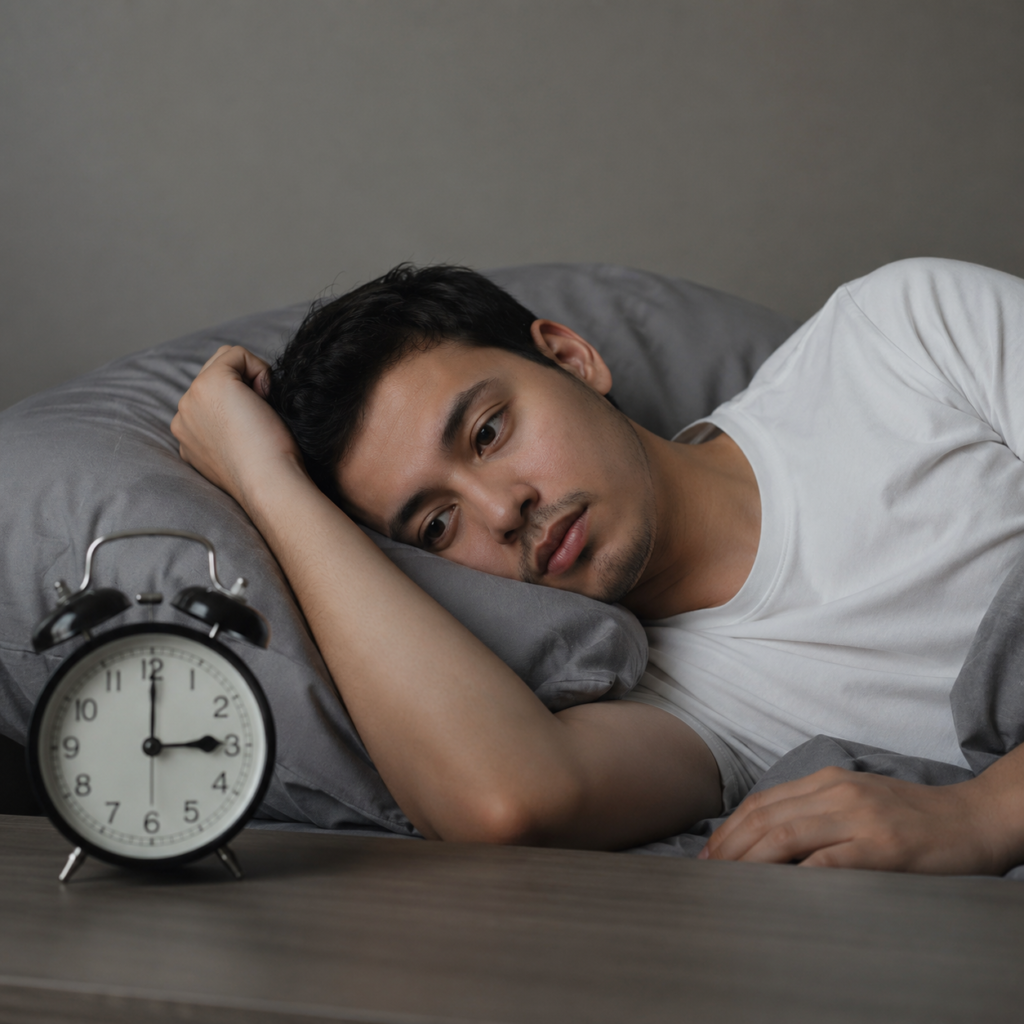
People use the word “tired” for several different experiences.
That matters.
Sleepiness means you are fighting to stay awake. You could doze off during a meeting, while reading, while watching TV or during a quiet afternoon. NHLBI describes problem sleepiness as feeling like you could doze off during routine situations, including sitting still in public, riding in a car or sitting quietly after lunch.
Fatigue is different. MedlinePlus describes fatigue as weariness, tiredness or lack of energy, and notes that it is different from drowsiness. You may not be about to fall asleep, but everything feels heavier. Thinking is harder. Starting tasks takes more effort. Your body feels underpowered.
This distinction is not a diagnosis. It is a useful observation.
If you could fall asleep almost anywhere, sleepiness may point more directly toward insufficient sleep, poor sleep quality or a sleep disorder. If you are awake but drained, fatigue may involve sleep, but it can also involve stress, depression, anxiety, medications, anemia, thyroid problems, chronic illness, recovery from infection or other medical issues.
In real life, the two can overlap. Bodies are inconvenient like that.
But noticing the difference can help you describe the problem better if you talk with a clinician.
The Fatigue May Not Begin With Sleep
Wellness writing often makes one mistake: it treats every problem as a routine problem.
If you are tired, optimize your morning. Buy the pillow. Cut the caffeine. Wake up earlier. Be more disciplined. Become the sort of person who owns matching containers.
Sometimes basic habits help. Sometimes they help a lot.
But persistent fatigue is not always a lifestyle riddle waiting for a productivity hack.
MedlinePlus notes that fatigue can be a normal response to physical activity, emotional stress, boredom or lack of sleep. It can also be a sign of a mental or physical condition, especially when it is not relieved by enough sleep, good nutrition or a lower-stress environment.
That is an important boundary.
Stress, anxiety and depression can disturb sleep and drain energy. Some medications can affect sleep or alertness. Pain, breathing problems, hormone changes, pregnancy, caregiving demands, shift work and medical conditions can all change what “normal sleep advice” can realistically do.
Sometimes the reader does not need a better evening routine.
Sometimes the reader needs support.
What to Track Before You Try to Fix Everything
If waking up tired happens occasionally, start by observing rather than panicking.
For one or two weeks, track the boring things. Boring is useful here. Your exhausted brain is not a reliable archivist at 7 a.m.
Write down:
- bedtime and wake time;
- how long it seemed to take to fall asleep;
- awakenings you remember;
- caffeine timing;
- alcohol timing;
- late meals;
- naps;
- exercise timing;
- morning headaches or dry mouth;
- snoring, gasping or breathing pauses reported by someone else;
- energy at different times of day;
- differences between workdays and weekends.
This is not about becoming your own sleep lab.
It is about looking for patterns. Maybe your tired mornings follow late caffeine. Maybe Sunday nights are the problem. Maybe alcohol makes you fall asleep faster but wake less restored. Maybe your schedule shifts by three hours every weekend. Maybe you are sleepy during the day even after a full night, and that deserves a medical conversation.
The point is to gather enough information that the next step is less guesswork.
A Gentler Reset Can Give You a Cleaner Signal

Basic sleep habits are not magic. They are also not worthless.
Think of them as a way to reduce background noise. If your schedule, light exposure, caffeine, alcohol and bedroom environment are all chaotic, it becomes harder to tell what is actually driving the tiredness.
For a week or two, try protecting the basics:
- Keep your wake time reasonably consistent.
- Get morning light when possible.
- Keep the bedroom quiet, dark, relaxing and cool.
- Avoid caffeine in the afternoon or evening.
- Avoid large meals and alcohol close to bedtime.
- Lower bright light and screens near bedtime.
- Give your brain a simple wind-down routine instead of asking it to slam from full speed into sleep.
The CDC includes consistent bed and wake times, a quiet and cool bedroom, turning off electronics before bed, and avoiding large meals, alcohol and late caffeine among sleep-supporting habits.
But here is the crucial caveat: sleep hygiene is a starting point, not a cure-all.
It can help some people sleep better. It will not treat every sleep disorder, erase chronic stress, fix untreated apnea, resolve depression, change a rotating work schedule or undo a medical issue by itself.
If the basics help, good. Take the win.
If they do not, that is information too.
When Tired Mornings Deserve Medical Attention
You do not need to call a doctor because one Tuesday morning was terrible.
One bad night can happen because of stress, weather, a late meal, an argument, a child waking up, a pet staging a dramatic performance at 3 a.m. or no reason you can identify.
Patterns are different.
Consider talking with a healthcare provider if waking up tired is persistent, worsening, interfering with work or school, affecting driving, or making ordinary life hard to manage.
It is especially worth asking for help if tiredness comes with:
- loud or frequent snoring;
- gasping, choking or pauses in breathing during sleep;
- morning headaches;
- dry mouth on waking;
- severe daytime sleepiness;
- dozing off in unsafe situations;
- mood changes that feel difficult to manage;
- fatigue that lasts for weeks despite enough sleep and basic self-care.
The goal is not to turn every tired morning into a medical emergency.
The goal is to stop treating repeated exhaustion as a character flaw.
The Better Question Is Not “Did I Sleep Eight Hours?”
Eight hours can be enough.
It can also be a misleadingly neat number sitting on top of a messy night.
If you wake up tired after a full night, the better question is not only “How long did I sleep?”
Ask:
Was my sleep continuous?
Was it well-timed?
Was it refreshing?
Am I sleepy, fatigued or both?
Is this a one-off bad morning, or a pattern?
Those questions are more useful than blaming yourself for not waking up like a wellness commercial.
Your exhaustion is not always proof that you are failing. Sometimes it is information your body has been trying to deliver all day.
And if eight hours did not restore you, the next step is not necessarily to chase a perfect routine.
It is to understand what kind of tired you are actually carrying.
FAQ
Why do I wake up tired after 8 hours of sleep?
You may wake up tired after 8 hours because sleep quality, timing or continuity was disrupted. Stress, caffeine, alcohol, irregular schedules, sleep debt, insomnia, sleep apnea, medications or health conditions can also play a role.
Is 8 hours of sleep enough for everyone?
Not always. Many adults need at least 7 hours, but individual needs vary. Some people need more than 8 hours, and quality matters as much as duration.
What is the difference between fatigue and sleepiness?
Sleepiness means you feel like you could fall asleep. Fatigue is more like low physical or mental energy, even if you are not about to doze off. The two can overlap, but noticing the difference can help you describe the problem more clearly.
Can sleep apnea make me tired after a full night?
Yes, sleep apnea can disrupt breathing and reduce sleep quality, which may leave a person tired despite spending enough time in bed. Loud snoring, gasping, breathing pauses, morning headaches, dry mouth and severe daytime sleepiness are reasons to talk with a healthcare provider.
What should I try first if I keep waking up tired?
Track your sleep for one or two weeks. Note bedtime, wake time, awakenings, caffeine, alcohol, naps, stress, morning symptoms and energy during the day. Also try a consistent wake time, morning light, a cool dark bedroom and less late caffeine or alcohol.
When should I talk to a doctor?
Talk to a healthcare provider if tiredness lasts for weeks, affects work, school, driving or daily life, or appears with loud snoring, gasping, breathing pauses, morning headaches, severe daytime sleepiness or symptoms that concern you.
Internal Links
Related HFD article: Sleep Optimization Is Everywhere: What Helps and What Is Just Noise?
Related category: Wellness
External Sources
- CDC – About Sleep: https://www.cdc.gov/sleep/about/index.html
- CDC / NCHS – Short Sleep Duration and Sleep Difficulties Among Adults: United States, 2024: https://www.cdc.gov/nchs/products/databriefs/db559.htm
- NHLBI – Sleep Deprivation and Deficiency: https://www.nhlbi.nih.gov/health/sleep-deprivation
- NHLBI – Sleep Apnea Symptoms: https://www.nhlbi.nih.gov/health/sleep-apnea/symptoms
- NHLBI – Circadian Rhythm Disorders: https://www.nhlbi.nih.gov/health/circadian-rhythm-disorders
- MedlinePlus – Fatigue: https://medlineplus.gov/ency/article/003088.htm
