
Technology
Pixel 11 Launch: What Google Has Confirmed Before August 12
Google has confirmed the Pixel 11 launch and preorder timing for August 12, but the real buying decision still depends on price, storage, AI features, trade-in offers, and what actually works at launch.
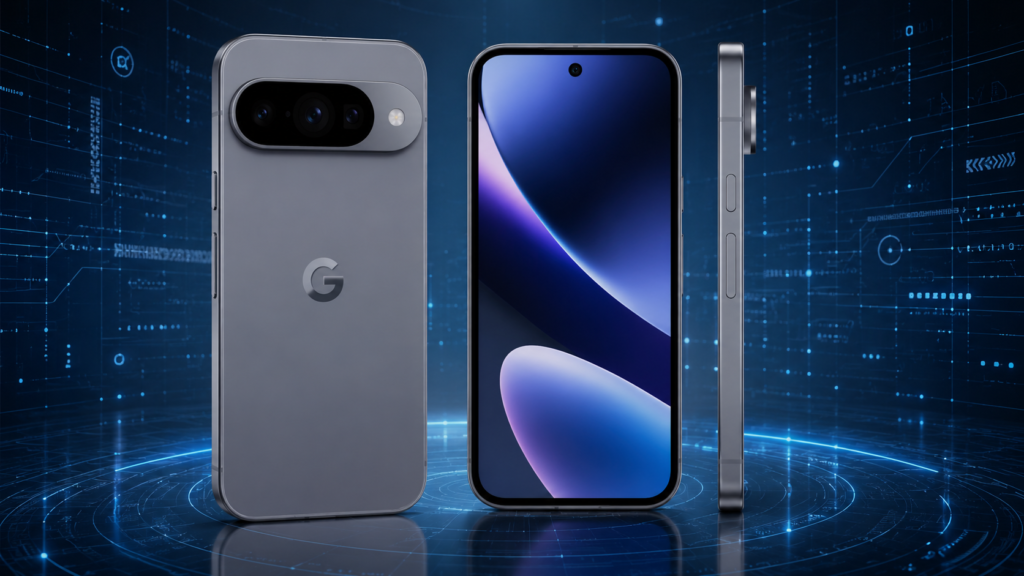
Google has confirmed the Pixel 11 launch and preorder timing for August 12, but key buyer details still depend on pricing, AI features, storage options and launch offers.
I usually slow down when a phone launch starts getting treated like a solved story before the company has shown the thing. That’s where the Pixel 11 is right now.
Google has confirmed enough to make the launch real. It hasn’t confirmed enough to make every price rumor, camera prediction, AI-feature thread, and upgrade take worth trusting yet. So before August 12, I wouldn’t treat this as “everything we know.” That phrase usually does too much work. I’d treat it as something narrower and more useful: what has Google actually made real, and what should buyers still refuse to assume?
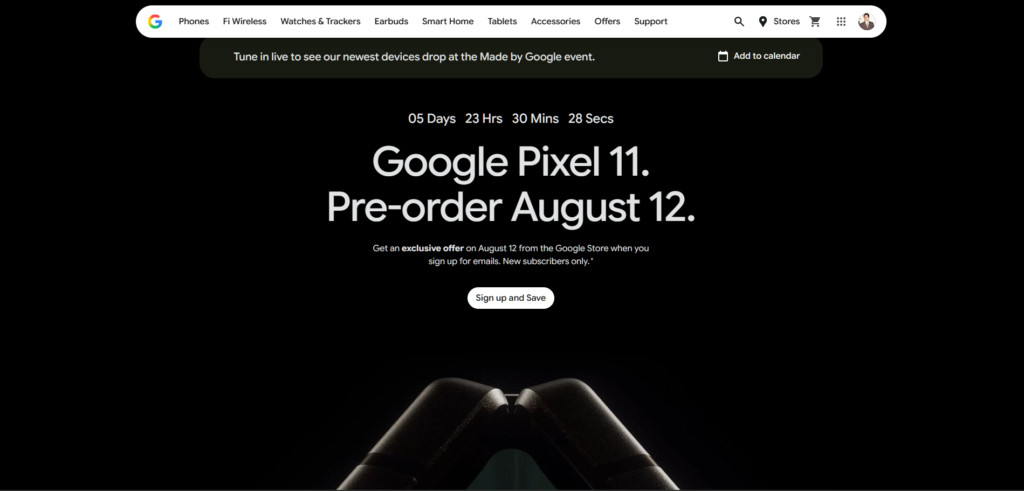
Google’s own Pixel 11 page says the next generation of Pixel takes the stage at a Made by Google event in New York City on August 12. It also says Pixel 11 pre-orders begin that same day. That’s the solid part. It’s enough to mark the date, wait before making a rushed Pixel purchase, and watch the pre-order math.
It isn’t enough to call the phone a must-buy.
The Launch Is Real. The Buying Decision Isn’t
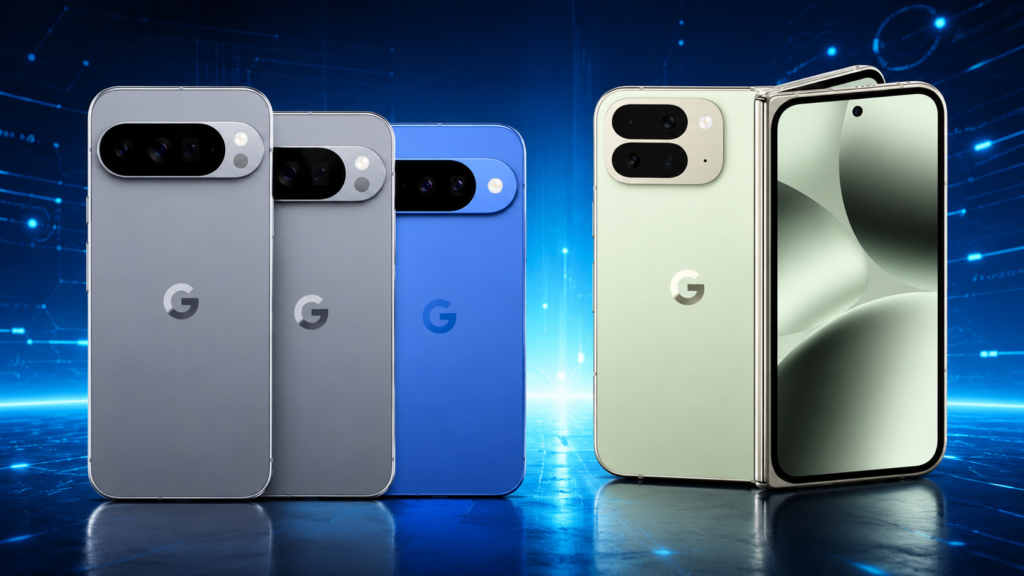
The confirmed story is mostly about timing.
Pixel 11 isn’t just floating around as a rumor anymore. Google has put the event date and pre-order date on its own Store page, which means the launch has crossed from speculation into schedule. If you’re considering a Pixel, that matters.
But a scheduled launch isn’t the same thing as a finished buyer decision.
We still need the pieces that actually change whether someone should spend money: price, storage tiers, trade-in offers, carrier deals, battery claims, camera changes, chip details, AI features, and which features arrive on day one instead of later through updates.
That’s why I’d be careful with the noise around this phone. Some rumors may turn out to be accurate. Some may be close but incomplete. Some may be technically true and practically misleading.
The event is real. The value proposition is still waiting for evidence.
The Rumor Fog Is Part of the Product Cycle Now
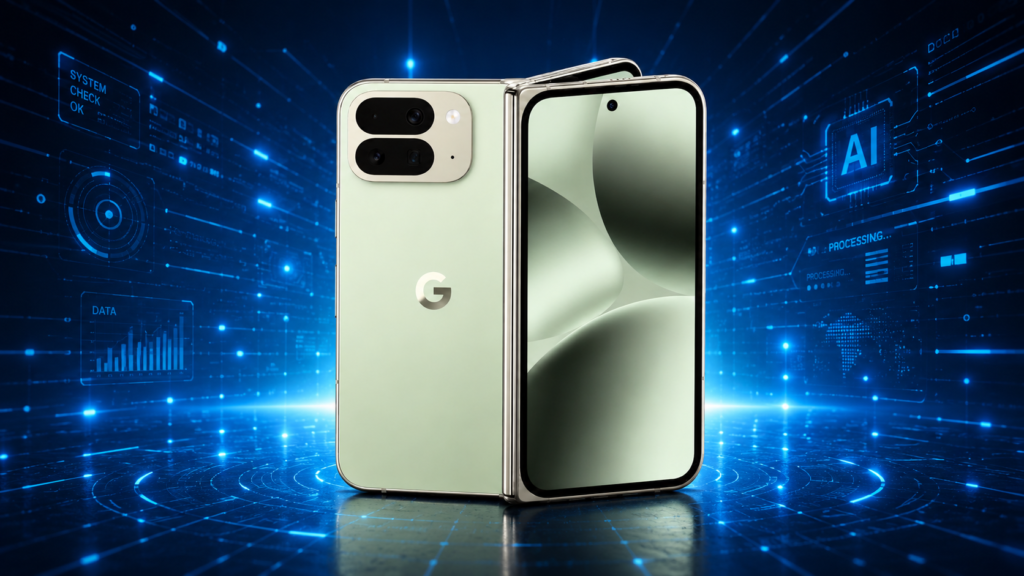
Phone launches have a strange rhythm. Right before the company announces the device, the internet starts behaving as if the final judgment has already happened.
That’s the part I don’t like.
A phone isn’t bought in leak language. It’s bought in price, storage, battery life, trade-in credit, software support, repair risk, and whether the new features actually fit the way you use the device. A leaked spec can be interesting, but it doesn’t tell you whether the upgrade makes sense.
For Pixel 11, I’d keep two piles separate.
In the confirmed pile: Pixel 11, August 12, Made by Google, New York City, pre-orders beginning August 12, and Google using its Store to capture interest before the event.
In the unconfirmed pile: almost everything that determines whether the phone is a smart buy.
That doesn’t make the launch less interesting. It makes it more important to watch carefully.
Pixel Is an AI Phone Story Now, Even When the Hardware Gets the Headline
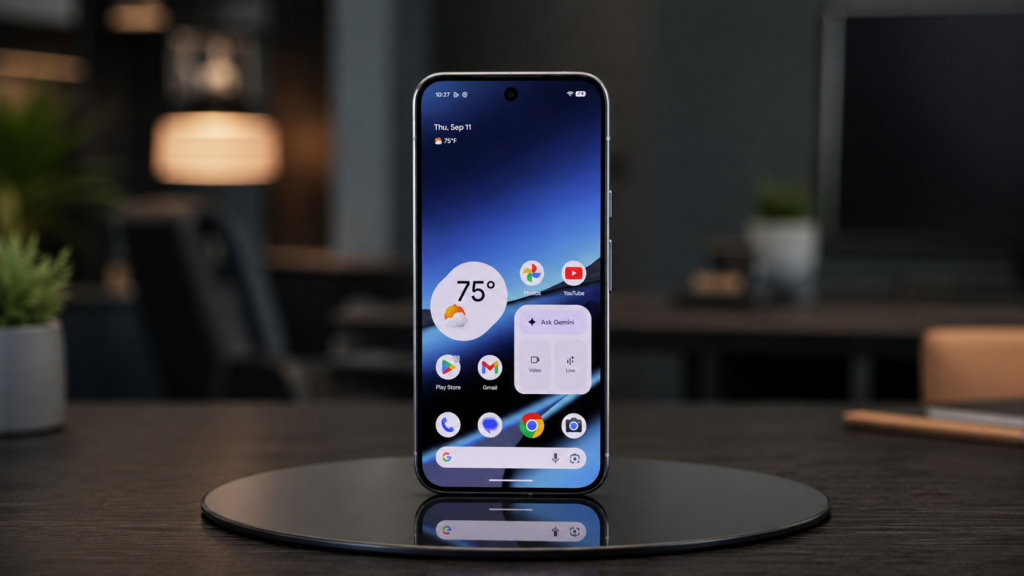
The Pixel used to be easier to explain.
It was Google’s Android phone, with strong computational photography, early software features, and a camera reputation that often made the hardware feel smarter than the spec sheet suggested. That story is still there, but it isn’t the whole thing anymore.
Now Pixel sits inside Google’s larger AI push. Google’s current Pixel phone pages emphasize Gemini, Pixel Drops, camera intelligence, and the idea that the phone keeps becoming more useful after purchase. So even before Google shows every Pixel 11 feature, the frame is obvious: this launch is going to be judged partly as an AI phone launch.
That’s where I’d ask the less shiny questions.
Which AI features run on the device? Which ones go to the cloud? Which ones work only in certain countries, languages, apps, or account types? Which ones also come to older Pixels? Which ones look impressive in a demo but matter less in daily use?
“AI built in” isn’t specific enough anymore. Every major phone maker can say some version of that now. The useful question is whether the AI changes what the phone can do for you without adding confusion, privacy tradeoffs, or upgrade pressure that feels manufactured.
I looked at that broader shift in AI Phones Are Becoming Normal: What That Actually Means for Buyers, because Pixel 11 makes the same question feel more immediate: once every major phone claims to be an AI phone, the real issue is what the AI does, where your data goes, and whether the feature is useful enough to affect a buying decision.
August 12 Could Change the Pixel 10 Math Overnight
This is the buyer trap I’d watch.
A discounted Pixel 10 might look like a clean deal before the event. Then August 12 arrives, and suddenly the comparison changes. Now you’re looking at Pixel 11 pricing, preorder offers, trade-in credits, possible storage bundles, carrier promotions, and whatever Google says about exclusive features.
That doesn’t mean Pixel 10 becomes a bad phone. Older phones don’t rot because a keynote starts.
But the deal can change shape.
A $100 discount can look good until a trade-in offer makes the new model closer in price. A familiar camera can look good until Google shows a feature split that only works on the newer phone. A base storage tier can look acceptable until AI tools, photos, video, and longer software support make more storage feel safer.
That’s why I’d wait unless the current discount is unusually strong and you already know you don’t care what Pixel 11 adds.
The AI Features Need Receipts
This is the part of the launch I’d watch most closely.
Not because AI is automatically the reason to upgrade. It may not be. But because AI is now the easiest way for phone makers to make old hardware feel emotionally outdated before it’s practically outdated.
If Google says Pixel 11 can do something new with Gemini, photos, calls, screenshots, search, or personal context, I’d look for the receipts.
Is the feature available at launch? Does it work locally? Does it send data to the cloud? Is it free? Does it require a subscription later? Does it support the languages most buyers need? Does it work across apps, or only inside Google’s preferred lane? Does it come to Pixel 10 too?
Those details matter more than the stage demo.
A good AI feature should remove friction from something you already do. It shouldn’t just give the phone a new reason to ask for your data, your patience, and your money.
What I’d Wait to Know Before Spending Money
If I were treating August 12 as a real buying checkpoint, I’d wait for five things.
First, the actual price. Not the rumor price, not the hopeful price, not the “starting at” number without context. The real price by model and storage tier.
Second, the storage options. In an AI phone cycle, base storage matters more than it used to. Photos, video, offline features, app size, and long support windows can make the cheapest model feel less safe over time.
Third, the feature split. I want to know what Pixel 11 gets that Pixel 10 doesn’t, especially around Gemini and camera intelligence.
Fourth, the privacy shape. If the phone becomes more context-aware, buyers should know what runs on-device, what goes to Google’s servers, and what controls they get.
Fifth, the launch offers. Trade-ins, store credits, carrier promos, and bundles can change the whole answer. Sometimes the phone with the higher sticker price is the better deal. Sometimes it’s just the newer temptation.
The Narrow Point Worth Keeping
Before August 12, Pixel 11 is real. It isn’t yet a complete buying decision.
That’s the distinction I’d keep in mind. Google has confirmed the launch date and the pre-order timing. It’s made clear that Pixel lives in a world of Gemini, camera intelligence, Pixel Drops, and smarter software. What it hasn’t yet provided is the full set of facts that should decide whether someone buys the phone: price, storage, hardware changes, AI availability, launch offers, and limitations.
So I wouldn’t ignore the hype. Hype is useful when it tells you where attention is going.
I just wouldn’t spend money based on it yet. August 12 is the line between launch atmosphere and buyer evidence. Before that line, Pixel 11 is worth watching. After that line, it becomes worth judging.
Sources
- Google Pixel 11 launch page: https://store.google.com/us/magazine/google_pixel_11?hl=en-US
- Google Pixel phones page: https://store.google.com/us/category/phones?hl=en_US
