
Vehicles
10 Cheap Used Cars That Can Become Expensive Ownership Mistakes
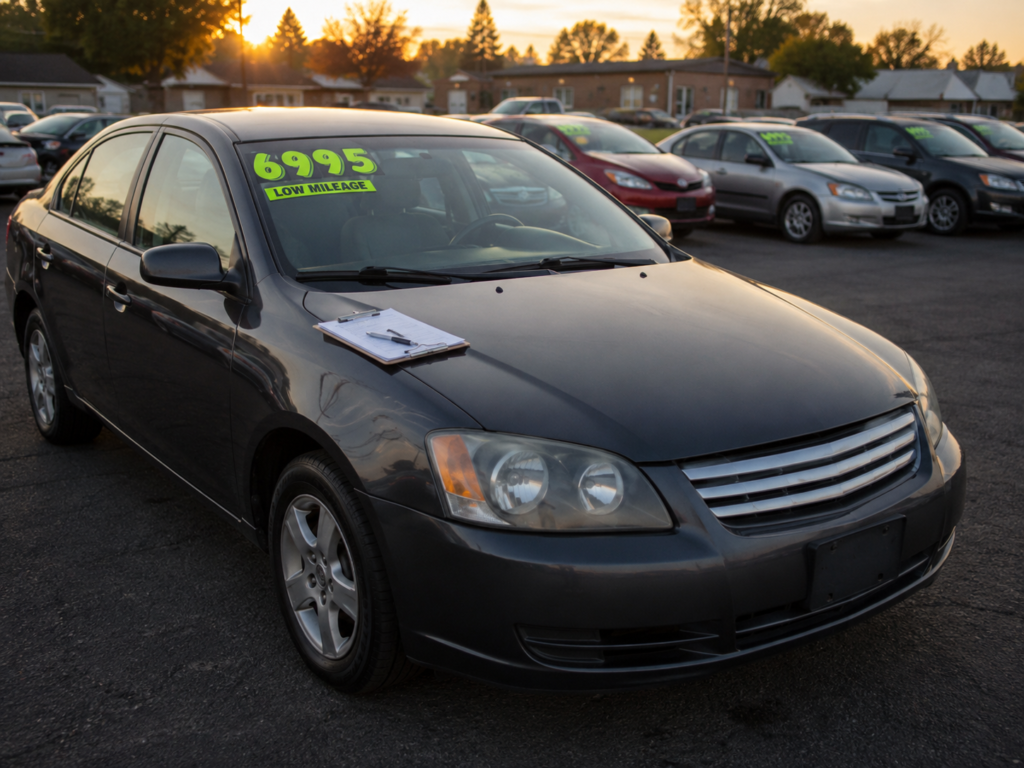
Cheap used cars can look tempting on the lot, but the lowest price can hide transmission, engine, recall or repair-cost risks that only show up after purchase.
A cheap used car on the lot has a way of making every other car look unreasonable.
It sits there with clean paint, a tidy interior and a windshield number that feels almost rude to ignore. Maybe it is a compact sedan for less than a used motorcycle. Maybe it is a luxury flagship that once cost more than a house down payment. Maybe it is an SUV with leather, a big screen and just enough miles to make the monthly payment look harmless.
That is the dangerous part.
A cheap used car is not automatically a bad car. Sometimes it is simply unpopular, over-depreciated or waiting for the right buyer. But some cars get cheap because the market has learned something painful: the purchase price is only the opening scene.
The real story starts after the title changes hands.
This list is not a ban list. It is a buyer’s warning list. These are cars that can make sense in the right condition, at the right price, with the right records. But if the price is the only thing making them attractive, slow down. Cheap is helpful only when it stays cheap after maintenance, insurance, tires, diagnostics and repairs enter the room.
1. Ford Focus, Especially 2012-2016 Automatic Models
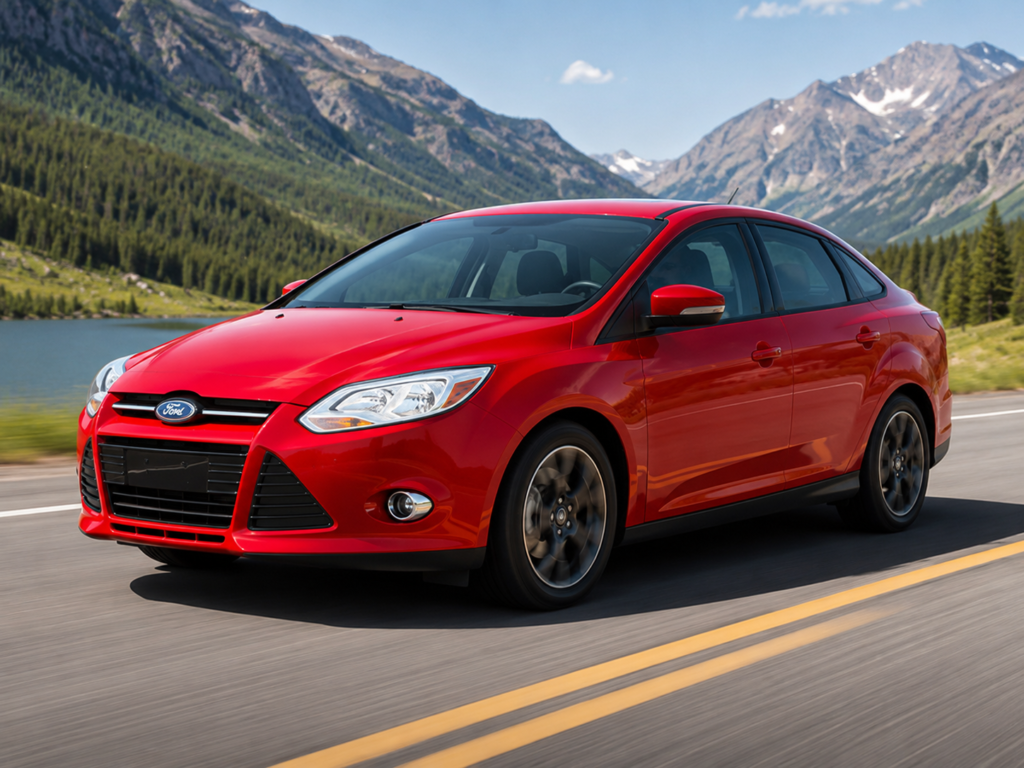
The Ford Focus looks like the perfect inexpensive commuter.
It is small, efficient, easy to park and common enough that parts should not feel exotic. On paper, that is exactly what a cheap used car should be: simple transportation without luxury-car drama.
Then you get to the transmission.
Many 2012-2016 Focus models used Ford’s PowerShift dual-clutch automatic transmission. A dual-clutch transmission can shift quickly and efficiently when it is engineered and calibrated well. In these cars, many owners reported shuddering, hesitation, slipping, rough launches and repeated clutch or control-module repairs. The problem was not that every Focus was doomed. The problem was that a cheap Focus with the wrong symptoms could stop feeling cheap very quickly.
The test drive matters here. A short loop around the block is not enough. The car needs to be driven from a stop, in traffic, under light throttle and after warming up. Any shudder, delayed engagement, harsh shift or warning light deserves attention.
Before buying, check the exact transmission, service history, clutch work, transmission control module records and open recalls through NHTSA.
The Focus can be a bargain.
The wrong automatic Focus can be a payment plan wearing a hatchback body.
2. Ford Fiesta, Especially 2011-2016 Automatic Models
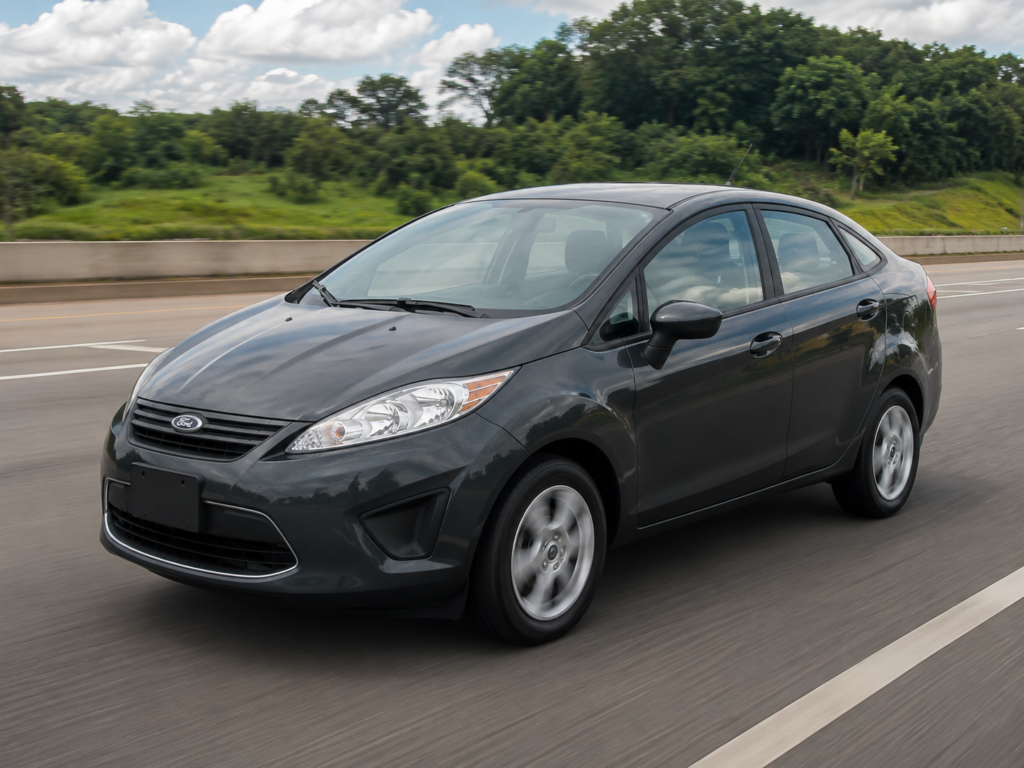
The Fiesta has the same basic temptation in an even smaller package.
It is cheap, fuel efficient and usually easy to find. For a first car, delivery runabout or city commuter, that can look perfect. The car promises thrift with a steering wheel.
But many automatic Fiesta models share the same PowerShift family trouble as the Focus. That means the same buyer homework applies: clutch history, transmission control module history, drivability symptoms and warranty or settlement documentation where relevant.
This is one of those cases where the manual-transmission version and the automatic version can feel like different buying decisions. A cheap Fiesta with a manual gearbox may be a simple small car. A cheap automatic Fiesta with unresolved shuddering may be cheap because the previous owner already got tired of the conversation.
That does not mean every automatic Fiesta should be rejected instantly.
It means the discount has to pay for the risk.
3. Nissan Altima With a Questionable CVT History
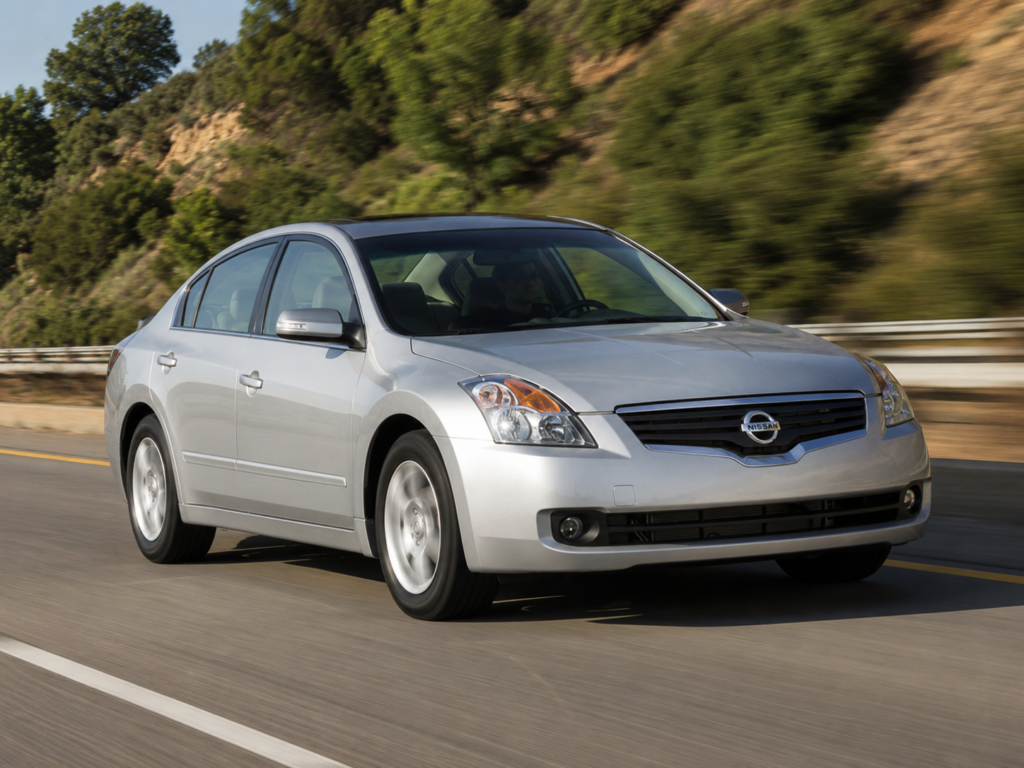
The Nissan Altima has been one of America’s default used sedans for years.
That makes it easy to shop and easy to underestimate. There are many of them. They often look clean. They can be comfortable, roomy and efficient. They also show up at prices that make a buyer feel like the search is over.
The main question is the CVT.
A continuously variable transmission does not shift like a conventional automatic. Instead of stepping through fixed gears, it changes ratios smoothly to keep the engine in an efficient range. When it works properly, it can feel calm and economical. When it starts failing, the signs can include whining, slipping, hesitation, vibration, overheating behavior or sudden loss of smoothness.
Altima CVT issues vary by year, maintenance, mileage and driving history. That nuance matters. A well-maintained car with documentation is different from a high-mileage sedan with no records and a price that seems too friendly.
Ask for transmission service history. Drive it long enough to warm the drivetrain. Watch for delayed response from a stop. Listen for abnormal noise. If there is any doubt, pay for an inspection before buying.
The Altima is not a bad idea because it is common.
It becomes risky when commonness makes the buyer stop asking questions.
4. Chevrolet Cruze 1.4T
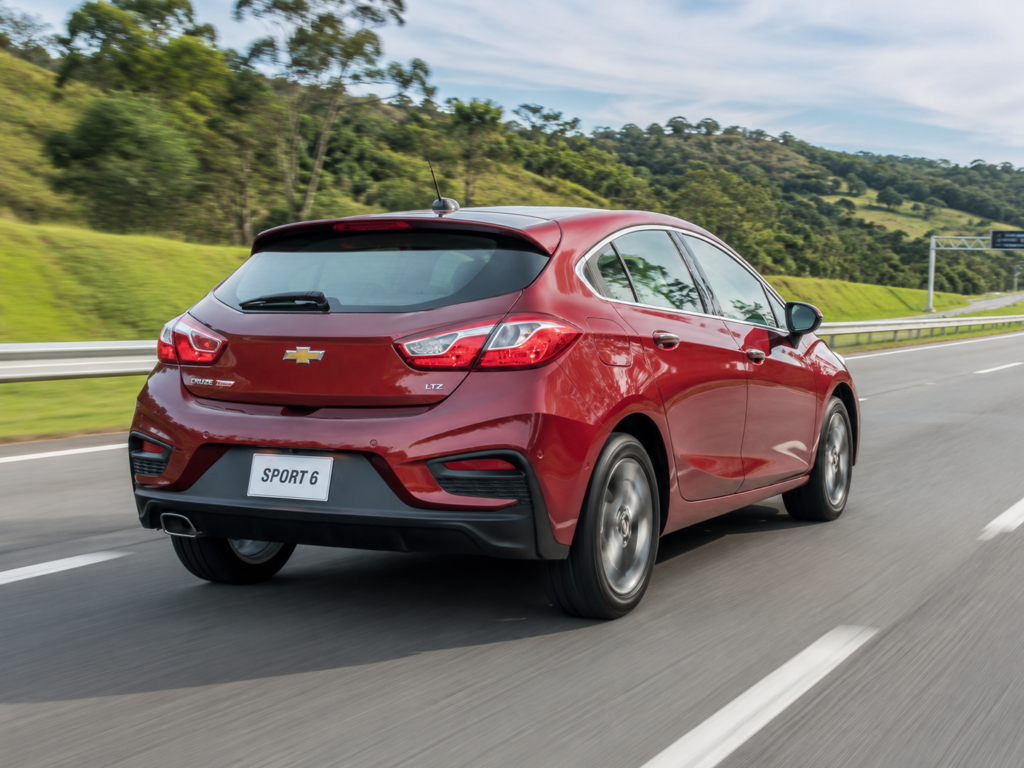
The Chevrolet Cruze is another used-car lot regular that can look like the responsible choice.
Compact sedan. Decent fuel economy. Cheap parts compared with luxury brands. Familiar badge. For someone trying to escape an old car without overextending, the Cruze can look like the adult answer.
But many used Cruze examples, especially with the 1.4-liter turbo engine, deserve a careful inspection for cooling-system leaks, turbo-related issues, oil leaks, PCV system problems and neglected maintenance. A small turbo engine works harder than buyers sometimes imagine. It depends on clean oil, healthy cooling and a previous owner who did not treat maintenance like optional paperwork.
This is the kind of car where the danger is not one dramatic failure that everyone sees coming. It is the pileup. A coolant leak here. A rough idle there. A check-engine light that clears and returns. A turbo concern that becomes a real bill just after the sale.
The Cruze can still be useful transportation at the right price.
But the right price is not the one printed on the windshield. It is the one that survives a mechanic looking under the hood.
5. Jeep Cherokee, Especially Early 2014-2015 Examples
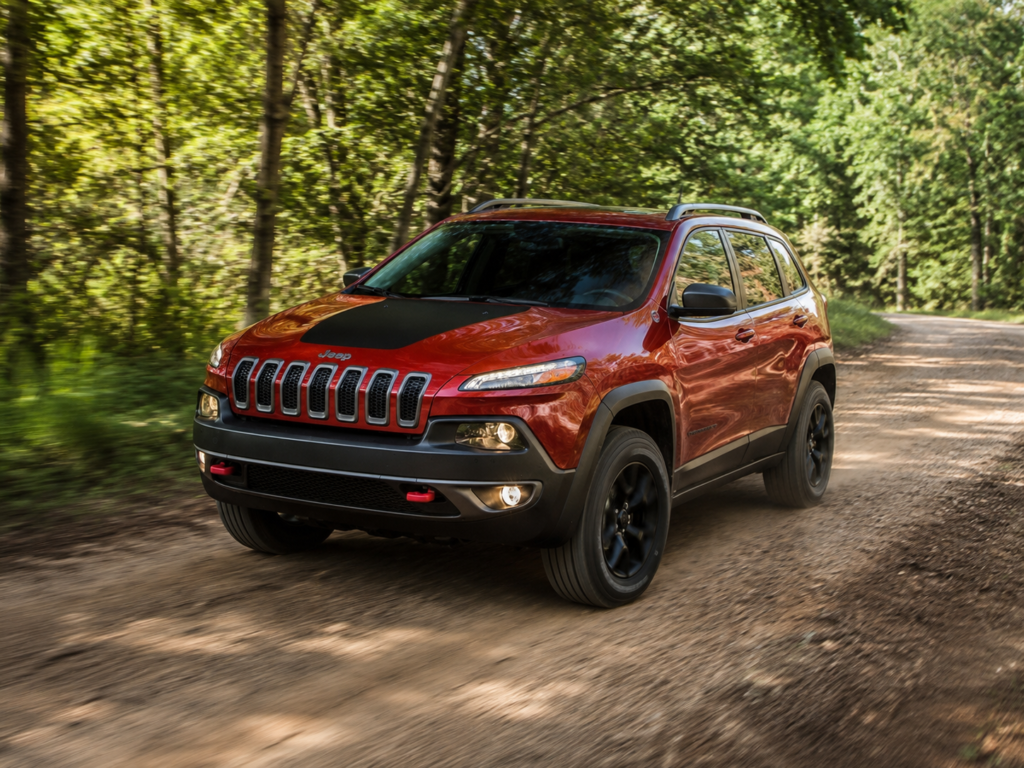
The Jeep Cherokee sells a very appealing story.
It is not enormous, but it looks ready for weather. It has SUV practicality without full-size bulk. It can be optioned nicely. Used prices can make it feel like a smart way to get capability without paying Wrangler money.
Early modern Cherokee examples, especially around the 2014 launch period, are worth extra research because of complaints and recalls involving the nine-speed automatic transmission and other systems. Launch-year vehicles are often where buyers find the bargain and the homework in the same parking space.
A nine-speed automatic is not inherently bad. The idea is efficiency and better ratio spread. But when software calibration, shift quality or mechanical behavior is not right, the owner feels it every day. Harsh shifts and hesitation are not abstract reliability data. They are the pause when you pull into traffic and wonder why the car had to think about it.
Check the VIN for recalls. Ask whether software updates and transmission-related service have been completed. Test the car in stop-and-go traffic, at low speed and during steady acceleration.
The Cherokee’s discount can be real.
Just make sure you are not buying someone else’s unsolved diagnosis.
6. Chrysler 200, Especially 2015 Models
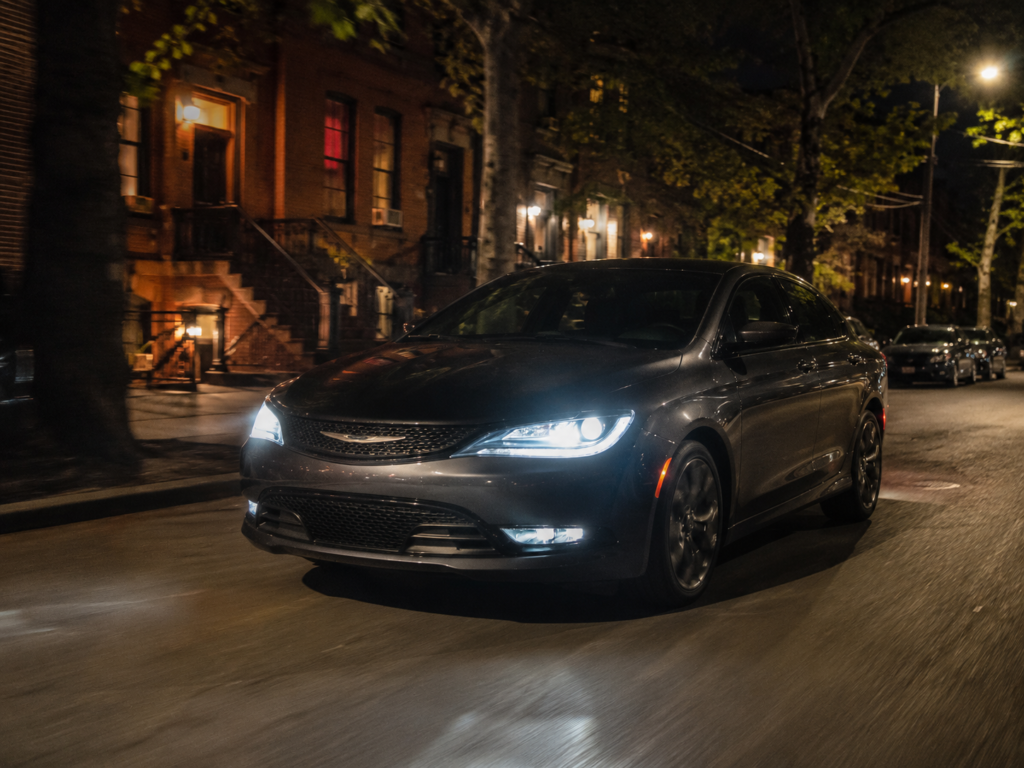
The Chrysler 200 can be shockingly affordable.
That is part of the appeal. It can look newer and more stylish than similarly priced economy cars, with a cabin that feels more grown-up than the budget suggests. For buyers scanning photos online, the 200 can pull attention fast.
The concern is that some examples carry a history of transmission complaints, recalls and electrical frustration that can turn a cheap sedan into a nuisance. The 2015 redesign used a nine-speed automatic that, in some vehicles, became known for rough or indecisive behavior.
This is a classic cheap-used-car trap: the car feels nicer than the price.
That can be good. Depreciation can be a gift. But if a car has depreciated because owners and dealers both struggled to make it behave, the buyer needs to know that before falling for the leather and the screen.
Check NHTSA recalls by VIN, read service records, scan for transmission software updates and drive the car long enough to expose low-speed shift behavior.
A Chrysler 200 that checks out may be fine.
A Chrysler 200 bought only because it is cheap may teach a very expensive lesson about why it was cheap.
7. Hyundai Sonata and Kia Optima With Theta II Engine Risk
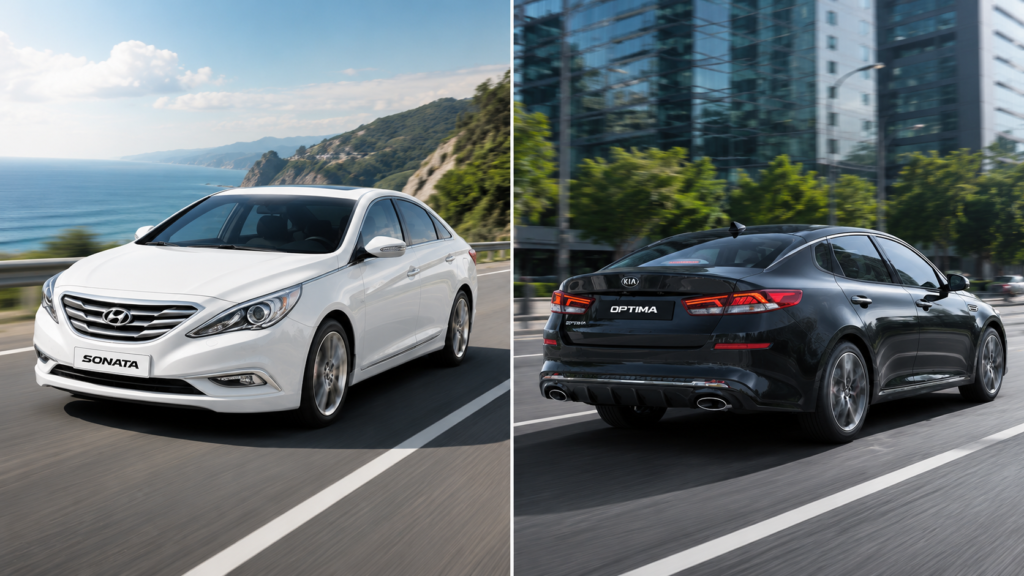
Used Hyundai Sonata and Kia Optima sedans can make a lot of sense on paper.
They are roomy, comfortable, often well equipped and frequently cheaper than comparable Toyota or Honda models. That combination is powerful. A buyer sees heated seats, a big trunk and a payment that does not ruin the month.
But certain Hyundai and Kia vehicles with Theta II engines have been tied to engine failure concerns, recalls and settlements. The key word is certain. Eligibility depends on model year, engine, VIN, service history and documentation. That is why this one requires precision.
Do not rely on vague marketplace language like “new engine possible” or “warranty maybe extended.” Verify the VIN. Confirm whether recall work was completed. Ask for oil-change records. Look for evidence of engine replacement or inspection. If the car has a branded title, missing records or signs of oil neglect, the cheap price may be doing too much work.
The best version of this purchase is a clean car with documentation and known coverage.
The worst version is a bargain sedan with a motor that turns the savings into a waiting room.
8. Mini Cooper, Especially Older Turbocharged Models
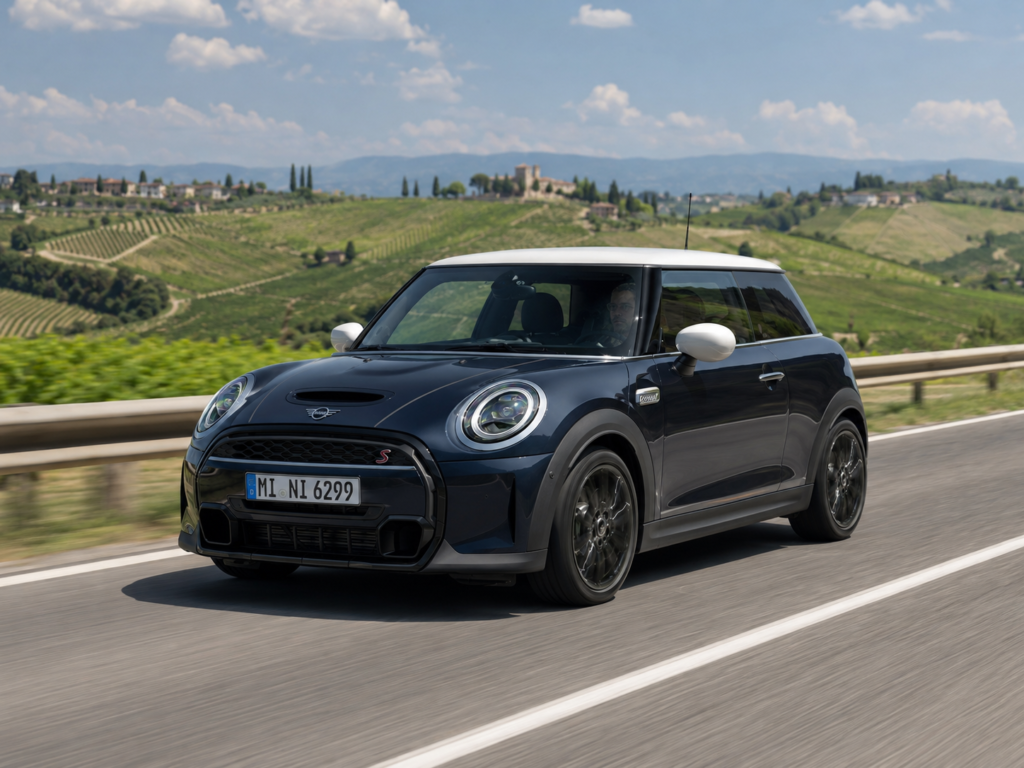
The Mini Cooper wins people over before the spreadsheet has a chance.
It looks cheerful. It feels lively. It makes a normal errand feel slightly more intentional. Used prices can drop far enough that the car seems like a cheap way to buy personality.
Personality, unfortunately, still needs maintenance.
Older Mini models, especially some turbocharged Cooper S examples, can bring expensive issues involving timing components, cooling systems, oil leaks, carbon buildup, clutch wear and tight packaging that makes labor less cheap than the car’s size suggests. Small does not always mean simple.
That is the Mini paradox. The car feels like a toy, but the repair invoice remembers its BMW-family engineering.
This is not a reason to avoid every Mini. It is a reason to buy one like an enthusiast, not like a bargain hunter. Look for documented maintenance, specialist inspection, evidence of cooling-system repairs and a test drive that includes cold start, idle, boost and temperature behavior.
A well-kept Mini can be delightful.
A neglected cheap Mini can turn charm into a subscription.
9. Audi A4 2.0T From High-Risk Years
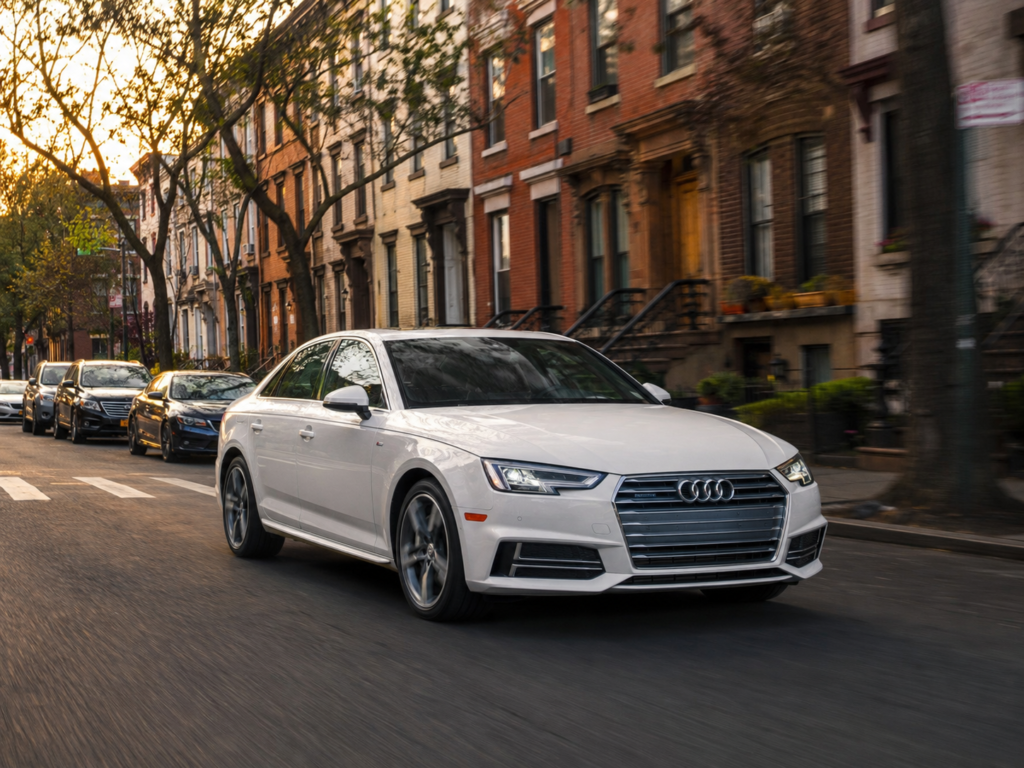
The used Audi A4 is one of the most persuasive used-car bargains in the world.
It has the badge. It has the cabin. It has the clean design that ages well. It can make a comparable economy sedan feel thin and noisy. Then the price drops into ordinary-car territory, and suddenly the sensible part of the buyer’s brain starts negotiating with itself.
The concern is that some older A4 2.0T models have histories involving oil consumption, timing-chain components, turbo issues, carbon buildup and maintenance costs that do not depreciate at the same speed as the car.
That last part is important.
Luxury depreciation lowers the entry fee. It does not lower the complexity of the engine bay. It does not make premium tires cheaper. It does not make a timing-chain job feel like an oil change.
Before buying, verify service records, oil consumption history, timing-chain/tensioner work, turbo condition and whether the car has been maintained by someone who understood the platform. A pre-purchase inspection by a European specialist is not an indulgence here. It is part of the price.
The A4 can be a smart buy for the right owner.
It is not a smart buy for someone whose entire plan is “it was cheaper than a Corolla.”
10. BMW 7 Series or Range Rover With Big Depreciation
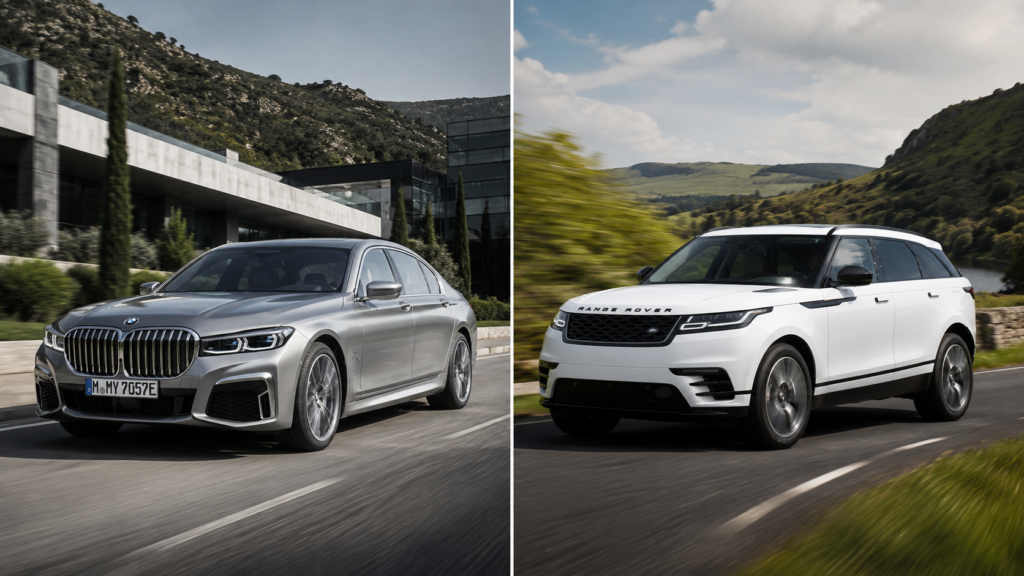
This is where the used-car market starts doing magic tricks with a straight face.
A BMW 7 Series or Range Rover that once belonged in the valet lane at a nice hotel can eventually show up online for the price of a sensible used Camry. The photos do most of the selling before the description even loads: stitched leather, wood trim, giant wheels, panoramic glass, soft-close doors, rear-seat controls, a ride height button, maybe even seats that heat, cool and massage you like the car is applying for a spa license.
For a few minutes, it feels like you have found the loophole.
You have not found the loophole.
You have found depreciation.
A big luxury car loses value quickly because the second, third and fourth owners are not just buying the badge. They are inheriting the machine behind the badge. A BMW 7 Series is not simply a large sedan with nicer seats. A Range Rover is not simply an SUV with a British accent and better carpeting. These are complex, heavy, tech-loaded vehicles built around expensive systems: air suspension, adaptive dampers, turbocharged engines, electronic modules, premium brakes, complicated cooling systems, power accessories, specialty tires and diagnostics that often require someone with the right scanner, the right software and the calm emotional distance of a surgeon.
The purchase price may fall into ordinary-car territory.
The repair bill may still speak fluent country club.
That is the trap. A $90,000 luxury vehicle can become a $20,000 used-car listing, but it does not suddenly start using $20,000-car parts. The tires are still large. The brakes are still premium. The suspension is still elaborate. The electronics are still scattered through the car like tiny expensive opinions. And when something fails, the local quick-lube place may not be where this story ends.
None of this means every cheap 7 Series or Range Rover is a terrible idea. Some are owned by careful people who keep records, fix problems early and understand that maintenance is cheaper than denial. A well-documented example with a clean inspection, known service history and money set aside can be a genuinely rewarding car.
But this is not a category for optimism as a financial strategy.
Before buying one, ask for records. Real records. Not “the previous owner was very particular” records, which is dealer-speak for “we also hope this is true.” Check for suspension work, cooling-system repairs, oil leaks, warning lights, tire age, brake condition, battery condition and any signs that expensive problems were postponed until the car became someone else’s adventure.
Then get a pre-purchase inspection from a specialist who knows the brand.
If the seller rushes you, the dashboard is glowing, the air suspension sits unevenly or the records are missing, walk away before your brain starts furnishing the driveway.
The massage seat is not worth becoming a monthly subscription.
The Pattern Behind the Trap
These cars are different, but the trap is often the same.
The buyer compares purchase prices. The market compares ownership risk.
That is why a car with leather, a turbo engine and 300 horsepower can cost less than a boring compact with cloth seats. The boring car may have fewer ways to punish neglect. The exciting car may have more systems waiting to send invoices.
Depreciation is not charity. It is information.
Sometimes the information is innocent: unpopular color, high mileage, outdated infotainment, too much supply. Sometimes it is a warning about transmissions, engines, electronics, parts prices or specialist labor.
The buyer’s job is to tell the difference before the keys feel permanent.
What To Check Before Buying Any Cheap Used Car
Start with the VIN.
Run a recall check through NHTSA. Check title history. Ask for service records. Look for maintenance intervals, major repairs, fluid changes and evidence that the previous owner solved problems instead of simply clearing lights.
Then price the next 12 months, not just the sale.
Get an insurance quote for the exact car. Price tires in the exact size. Search common repair costs. Ask a local independent mechanic what they see often on that model. For European luxury cars, find the specialist before you buy the car, not after the dashboard lights up.
Finally, pay for a pre-purchase inspection when the risk is meaningful.
That inspection may feel annoying when you are already excited. Good. Annoyance is cheaper than regret.
Cheap Is Not the Enemy
There is nothing wrong with wanting a cheap used car.
For many buyers, cheap transportation is freedom. It can mean getting to work, escaping a bad loan, avoiding a giant payment or keeping money available for real life instead of feeding it to a depreciating object with cupholders.
The danger is not cheapness.
The danger is confusing a low price with a low cost.
A smart cheap used car should still pass the boring tests: clean title, documented maintenance, manageable insurance, available parts, no unresolved recalls, no scary noises, no seller evasiveness and no repair risk bigger than your budget.
When a car passes those tests, a low price can be a win.
When it fails them, the discount is not a deal. It is the down payment on the next problem.
FAQ
Are cheap used cars always risky?
No. Some cheap used cars are cheap because they are older, unpopular, cosmetically imperfect or simply common. The risk rises when a cheap car has a known problem history, missing service records, unresolved recalls, branded title history or repair costs that do not match the buyer’s budget.
What is the first thing to check on a cheap used car?
Start with the VIN. Use it to check recalls through NHTSA, review title history and confirm whether any warranty extensions, settlements or manufacturer campaigns may apply. Then pay for a pre-purchase inspection if the car has known drivetrain, engine or electrical risk.
Are cheap luxury cars a bad idea?
Not always, but they require a different budget. A cheap used luxury car may have depreciated heavily, but parts, labor, tires, suspension components and diagnostics can still be expensive. The lower purchase price should leave room for maintenance.
Should I avoid every car on this list?
No. The point is not automatic avoidance. The point is extra research. A well-maintained example with records, clean recall status and a strong inspection can be a reasonable buy. A cheap example with no records and obvious symptoms is a different story.
Is mileage more important than maintenance records?
Mileage matters, but maintenance records often tell the better story. A higher-mileage car with consistent service can be safer than a lower-mileage car with neglected oil changes, missed transmission service or unresolved warning lights.
How much should I budget for repairs after buying a cheap used car?
It depends on the model and condition, but buyers should avoid spending every dollar on the purchase price. Keep a repair reserve for immediate maintenance, tires, fluids, inspections and unexpected issues, especially on older turbocharged, European luxury or transmission-risk vehicles.
Internal Links
- Related Cars article: Top 10 Cars That Lose Value the Fastest
- Related Cars article: Are Used EVs Finally a Smart Buy, or Still a Risky Bet?
- Related Buying Guides article: How to Spot a Real Deal Before You Click Buy
External Sources
- NHTSA – Vehicle recalls and safety issues
- FTC – Buying a Used Car From a Dealer
- FTC – Used Car Rule
- Hyundai Engine II settlement site
- Kia Engine settlement site
- RepairPal – Ford Focus reliability and repair costs
- RepairPal – Nissan Altima reliability and repair costs
- RepairPal – Chevrolet Cruze reliability and repair costs
- RepairPal – Jeep Cherokee reliability and repair costs
- RepairPal – BMW 750Li reliability and repair costs
- RepairPal – Land Rover Range Rover reliability and repair costs
- CarComplaints – Ford Focus complaints index
- CarComplaints – Nissan Altima complaints index
- Kelley Blue Book – Cost-to-own methodology
- Consumer Reports – Used cars to avoid guidance
